In A Nutshell
Pornography becomes part of artistic debate because both pornography and erotic art use the human body, intimacy, and sexual imagery as visual subjects. The difference usually comes from presentation, emotional depth, intention, and how viewers respond to the image itself.
In This Article
- Is Pornography Considered A Form Of Art?
- Why Pornography And Art Get Compared
- What Separates Erotic Art From Pornography
- How Photography Style Changes Viewer Perception
- How Galleries, Film, And Online Platforms Frame Sexual Content
- Baci Innocence Lost Seductive Masquerade Mask And The Debate
- FAQs About Is Pornography Considered A Form Of Art
Is Pornography Considered A Form Of Art?
Sexual imagery has appeared in paintings, sculpture, photography, cinema, and printed illustration for centuries. Some people see pornography as pure commercial entertainment, while others argue that certain explicit works contain strong visual composition, emotional atmosphere, and creative direction similar to recognised forms of art. The discussion becomes more complicated once lighting, camera framing, symbolism, and performance start influencing how an image feels emotionally.
A photograph can feel cold and mechanical, or intimate and emotionally layered, even when both images contain nudity. The way photographers pose, light, frame, and present a subject often changes how audiences interpret the image.
Why Pornography And Art Get Compared
Art and pornography often overlap visually because both involve nudity, intimacy, attraction, and physical exposure. Throughout history, painters and photographers have used the naked body to communicate beauty, power, vulnerability, desire, and emotional tension. Once sexuality becomes part of visual storytelling, the line separating artistic expression from explicit material starts becoming less clear for many viewers.
People also respond emotionally to sexual imagery in different ways. One viewer may focus on composition, atmosphere, and body language, while another reacts mainly to the explicit content itself. Context changes interpretation. An image displayed inside a gallery can feel reflective or cinematic, while the same image shown through commercial adult media may feel direct and performance-driven.
That separation becomes easier to understand when looking at the difference between pornography and erotic art, especially in photography, where framing, emotional tone, and visual restraint strongly influence audience perception.
What Separates Erotic Art From Pornography
Erotic art usually places more attention on atmosphere, emotional tension, visual storytelling, and the relationship between subject and camera. Pornography often focuses more directly on explicit sexual performance and physical exposure. The distinction does not come from nudity alone because nudity exists across fine art, cinema, documentary photography, fashion imagery, and commercial adult media.
Lighting plays a major role in this separation. Soft shadows, partial concealment, slower pacing, and natural body positioning can create intimacy without making the image feel aggressive or graphic. Facial expression also changes emotional tone. A quiet portrait with sensual body language can feel personal and reflective compared with imagery designed purely around explicit visibility.
Many photographers use techniques similar to those shown in these erotic photography ideas for couples, where connection, posture, and emotional comfort shape the image more than explicit exposure alone.
From my view, erotic art separates itself from pornography when the image still feels human after removing the sexual element. I have looked at photographs with obvious nudity, but people remembered the expression, the tension in the pose, or the atmosphere the lighting created more than the exposure itself. That emotional residue tends to stay with viewers much longer than explicit detail alone.
How Photography Style Changes Viewer Perception
Photography style changes how people emotionally react to sexual imagery. Camera angles, lighting, shadows, and framing can make an image feel intimate, artistic, distant, or purely explicit. Soft lighting and wider cinematic composition often create emotional tension, while direct lighting and tight framing usually focus attention on physical performance. Repeated exposure to highly performance-driven sexual content can affect how viewers understand intimacy and attraction in real life. Discussions around porn vs real sex expectations explore how visual media shapes emotional connection and sexual perception.
Visual Details That Change The Mood
Soft shadows: Create privacy, mystery, and emotional depth inside the image.
Wide framing: Adds atmosphere and makes subjects feel less visually aggressive.
Black-and-white photography: Brings more focus to texture, shape, and emotion.
Natural body posture: Makes intimate scenes feel more human and believable.
Facial expression: Eye contact and emotion strongly influence viewer connection.
How Galleries, Film, And Online Platforms Frame Sexual Content
Presentation changes how people emotionally process sexual imagery. A nude image displayed inside a museum often receives slower observation because viewers expect symbolism, artistic technique, or emotional storytelling. Online adult platforms create a completely different viewing environment where speed, stimulation, and explicit visibility become the dominant expectation.
Film festivals, independent cinema, and fine art photography exhibitions frequently allow sexual imagery when the work supports narrative or visual exploration. Commercial pornography, however, operates inside a production system built around audience demand, performer visibility, and direct engagement with explicit material.
Production context also shapes public opinion around the subject. Conversations surrounding the truth about filming pornography in Australia show how regulation, commercial production, performer management, and industry structure shape public perception of pornography compared with gallery-focused visual art.
The same photograph can feel artistic, documentary, sensual, provocative, or explicit depending on where people encounter it and what expectations shape their reaction. That difference in perception keeps the debate around is pornography considered a form of art active across photography, film, and visual culture.
Baci Innocence Lost Seductive Masquerade Mask And The Debate
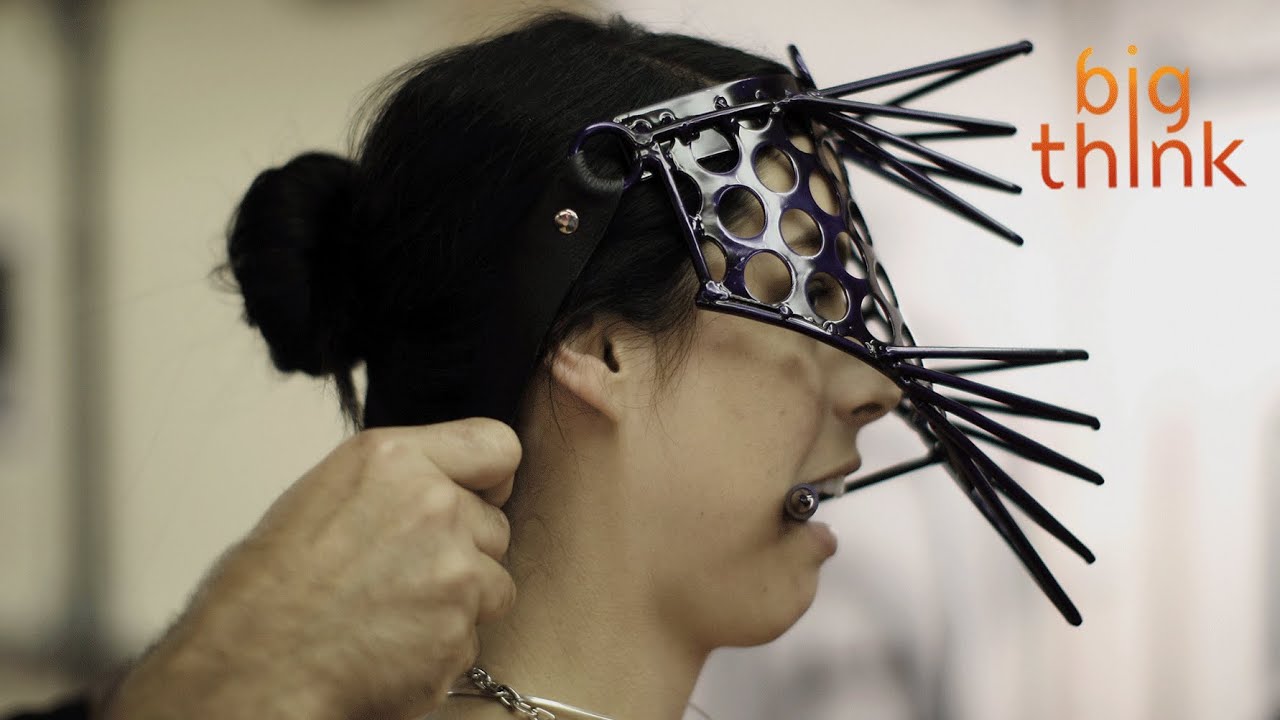
Visual accessories like the Baci Innocence Lost Seductive Masquerade Mask create mood, fantasy, and emotional intimacy. That visual styling connects closely to the discussion around is pornography considered a form of art and how viewers emotionally interpret sexual imagery. Small visual details often shape audience reaction more than explicit content alone.

FAQs About Is Pornography Considered A Form Of Art
Why do some nude photographs feel artistic while others feel explicit?
Lighting, composition, facial expression, camera distance, and emotional atmosphere strongly influence the viewer’s reaction. Images focused on mood and human presence often create a different emotional response from content designed around direct exposure and performance.
Can explicit films still contain strong artistic cinematography?
Some directors use detailed lighting setups, narrative structure, symbolism, and careful framing in explicit films. Viewers may still disagree about the final category of the work, but visual craftsmanship can exist inside sexually explicit material.
Why do museums display erotic paintings but restrict pornography?
Museums usually evaluate historical value, artistic influence, composition, and cultural relevance before exhibiting sexual imagery. People often categorise commercial pornography differently because it mainly focuses on direct sexual content instead of broader artistic interpretation.
How does audience expectation affect the way sexual imagery is viewed?
People entering a gallery, cinema, or adult platform already carry different expectations into the experience. Those expectations influence pacing, emotional interpretation, attention span, and how viewers process nudity or intimacy visually.
Why can erotic photography create emotional reactions instead of sexual ones?
Body language, vulnerability, eye contact, isolation, shadow, and visual tension can create feelings connected to intimacy, loneliness, desire, memory, or emotional closeness. Some images focus more on human presence than physical stimulation.