The Short Answer
AI in adult content creation presents severe ethical challenges, primarily centred on non-consensual deepfakes, copyright infringement, and digital privacy. The use of synthetic imagery without strict consent frameworks can severely impact the mental health, reputation, and autonomy of both everyday individuals and professional creators.
In This Article
- AI Art Ethics In Adult Content Creation: Consent, Ownership, and Creative Boundaries
- Why Consent Became the Biggest Ethical Issue in AI Adult Art
- How AI Models Borrow Visual Styles From Human Artists
- The Difference Between Fantasy Illustration and Deepfake Exploitation
- Can AI Adult Art Exist Without Hurting Real Creators?
- Why Real Sensory Experience Still Matters Alongside AI Fantasy
- FAQs About AI Art Ethics In Adult Content Creation
AI Art Ethics In Adult Content Creation: Consent, Ownership, and Creative Boundaries
AI-generated adult imagery has moved from experimental internet art into mainstream discussion surprisingly fast. What started as fantasy illustration tools and automated image generators now fuels debates about privacy, ownership, emotional realism, and consent. Erotic visual media creates stronger reactions because bodies, intimacy, and identity already involve personal trust before technology appears.
Photographers, digital painters, performers, and audiences often notice something deeper than technical quality when they look at sensual imagery. Lighting, eye contact, posture, hesitation, tension, and imperfections shape how people emotionally respond to erotic artwork. That emotional connection explains why ethical concerns around AI-generated adult content continue expanding far beyond simple copyright arguments.
Why Consent Became the Biggest Ethical Issue in AI Adult Art
Consent became one of the biggest concerns in AI adult art because image-generation tools can recreate faces, body features, tattoos, and posing styles without involving the original person. Erotic content creates a stronger reaction than ordinary edited images because it connects directly to identity, intimacy, and personal privacy.
Many photographers, performers, and visual artists feel uneasy when AI-generated imagery resembles real people closely enough to look authentic. In erotic portrait work, trust between the artist and subject matters heavily, especially when the imagery focuses on vulnerability, posture, and body language. Conversations around performative art and body-focused visual expression often overlap with these concerns because the body itself becomes part of the artistic process.
From my perspective, I am less concerned about AI being used as a creative tool and more concerned about imitation without permission. Most people can still recognise when an image carries genuine human presence, especially in sensual photography where emotion, hesitation, and natural expression shape the entire mood of the work.
How AI Models Borrow Visual Styles From Human Artists
AI image models learn from enormous collections of existing artwork, photography, lighting setups, anatomy studies, and composition techniques. That training process helps generators mimic recognisable visual patterns, including camera angles, colour grading, shadows, skin texture, and emotional pacing.
Some illustrators and photographers feel frustrated because years spent building a personal aesthetic can suddenly be replicated in seconds through prompts referencing their style. In adult visual media, stylistic identity matters heavily because sensual artwork often depends on atmosphere rather than explicitness alone. A creator’s signature look may come from soft side-lighting, grainy texture, restrained posing, muted skin tones, or emotionally distant framing.
Discussions around the psychological attraction behind erotic imagery explain why audiences recognise those emotional patterns so quickly. People respond not only to bodies, but also to mood, realism, tension, visual restraint, and emotional vulnerability. When AI copies those patterns too closely, artists sometimes feel their creative fingerprint has been absorbed into automated systems without credit or compensation.
The argument is rarely about technology alone. Many creators accept AI as another production tool inside digital illustration, photography, and erotic visual media. The larger concern within AI art ethics in adult content creation comes from systems trained on massive archives of human-made work gathered without direct artist approval.
The Difference Between Fantasy Illustration and Deepfake Exploitation
Fantasy illustration usually creates fictional characters and imagined erotic scenes without copying a real person directly, while deepfake content rebuilds identifiable faces and body features to imitate someone inside fake adult material. As AI realism improves, many viewers struggle to tell manipulated imagery apart from genuine photography, which increases concerns around privacy, trust, and consent. Discussions around AI intimacy technology and digital desire systems also reflect how artificial realism is becoming more emotionally convincing across adult media.
| Feature | Fantasy Illustration | Deepfake Exploitation |
|---|---|---|
| Character Creation | Designed from imagination or fictional concepts | Built to resemble an existing individual |
| Viewer Expectation | Seen as stylised or fictional visual media | Often mistaken for real recorded content |
| Impact On Subjects | No direct connection to real identities | Can damage reputation and personal safety |
| Creative Purpose | Focuses on artistic fantasy and visual storytelling | Often used to imitate or deceive audiences |
| Legal Attention | Usually treated as a fictional artwork | Increasingly targeted by privacy and abuse laws |
Can AI Adult Art Exist Without Hurting Real Creators?
Some artists believe ethical AI adult art could exist through licensed datasets, transparent sourcing, and permission-based training material. That approach gives creators more control over how their work supports AI development and reduces concerns about scraping and unauthorised replication.
Disclosure also plays a major role. Many viewers react differently when AI-generated erotic content is labelled clearly instead of being presented as authentic photography or human-made illustration. Transparency changes audience expectations and reduces confusion surrounding manipulated imagery.
At the same time, many photographers argue that emotional realism still comes from human unpredictability. Imperfect posture, nervous tension, spontaneous expression, awkward pauses, and natural chemistry often create stronger sensual imagery than polished synthetic perfection. Discussions around AI-generated erotic simulations and fantasy design frequently highlight how artificial systems can imitate fantasy while still struggling to reproduce emotional presence convincingly.
The future of AI adult art will likely depend less on technology itself and more on how creators, platforms, and audiences approach AI art ethics in adult content creation through clearer consent, attribution, privacy protection, and artistic ownership standards moving forward.
Why Real Sensory Experience Still Matters Alongside AI Fantasy
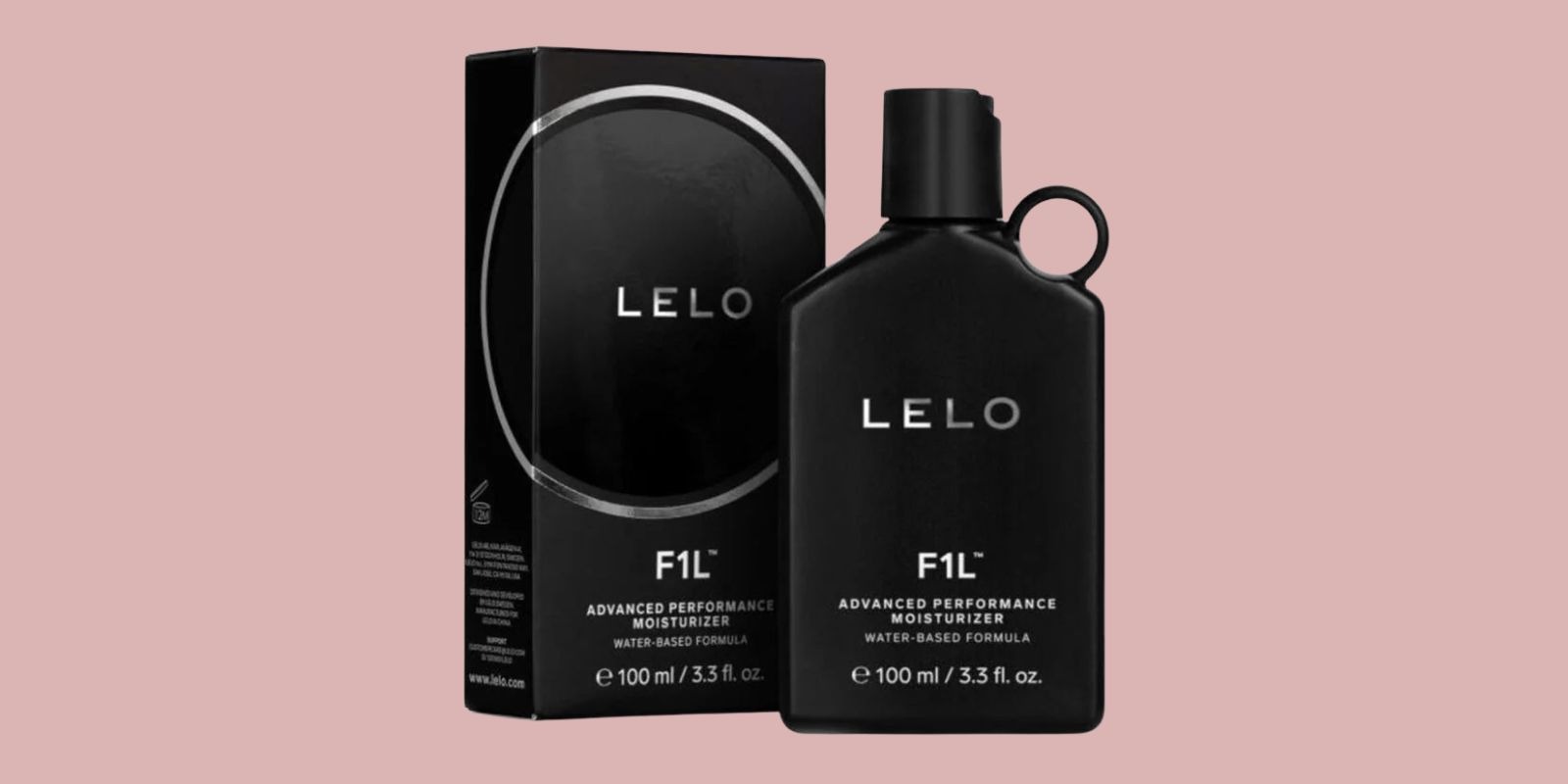
AI-generated erotic imagery may continue evolving visually, but physical intimacy still depends on real sensation, comfort, and human connection. Products like the Lelo F1L Advanced Performance Moisturiser highlight that difference by focusing on physical sensation instead of synthetic simulation. They help people stay connected to authentic touch, comfort, and pleasure beyond digital fantasy.
FAQs About AI Art Ethics In Adult Content Creation
Can artists stop AI systems from copying their style?
Some platforms allow opt-out protections and dataset removal requests, although enforcement still varies heavily between companies.
Why do deepfake erotic images create stronger backlash?
Deepfakes imitate real people closely enough to damage trust, reputation, and personal privacy at the same time.
Why do some AI erotic images feel emotionally flat?
Synthetic imagery often recreates surface appearance well but struggles with natural tension, expression, and human unpredictability.
Can AI-generated adult art use copyrighted photography?
Copyright disputes continue growing because many datasets were trained using large collections of online images without direct licensing.
What makes ethical AI adult content different?
Permission-based datasets, transparent labelling, and fictional subjects usually reduce many of the concerns surrounding consent and exploitation.