Epic Fantasy Vs Sword And Sorcery Explained for Better Genre Love
—
by
Frikki
📅Posted: September 04, 2026
|
🔄Updated: September 04, 2026
|
⏱️Reading Time: 7.00 Min Read
Epic fantasy and sword and sorcery sit under the same fantasy umbrella, but they tell very different stories. Epic fantasy builds sprawling worlds with complex politics, prophecy arcs, and large ensemble casts fighting cosmic evil. Sword and sorcery stays tight, personal, and gritty one rogue, one quest, one dangerous night.
Epic Fantasy Vs Sword And Sorcery: What Separates Grand Quests From Gritty Personal Adventures
Fantasy fiction is a massive genre. It stretches from Tolkien’s rolling green hills all the way to Conan’s blood-soaked tavern floors. Yet so many readers and writers lump it all together. That drives me a little nuts. Calling every fantasy story “epic” is like calling every cocktail a martini. Sure, they share a glass, but the contents hit very differently.
I spend most of my creative hours in Second Life, writing erotic fiction that dances between dark corridors and lush imagined worlds. Fantasy subgenres shape everything I write the pacing, the heat, the stakes. When I craft a scene where a warrior strips her armor after a blood drenched battle, the subgenre I’m working in decides how that moment unfolds. Epic fantasy makes it symbolic. Sword and sorcery makes it visceral. Both work. Both seduce. But they seduce in very different ways, and that distinction matters more than most people realize.
☰
Navigate This Article
Table Of Contents For Epic Fantasy Vs Sword And Sorcery
Seeing Epic Fantasy Vs Sword And Sorcery In Action
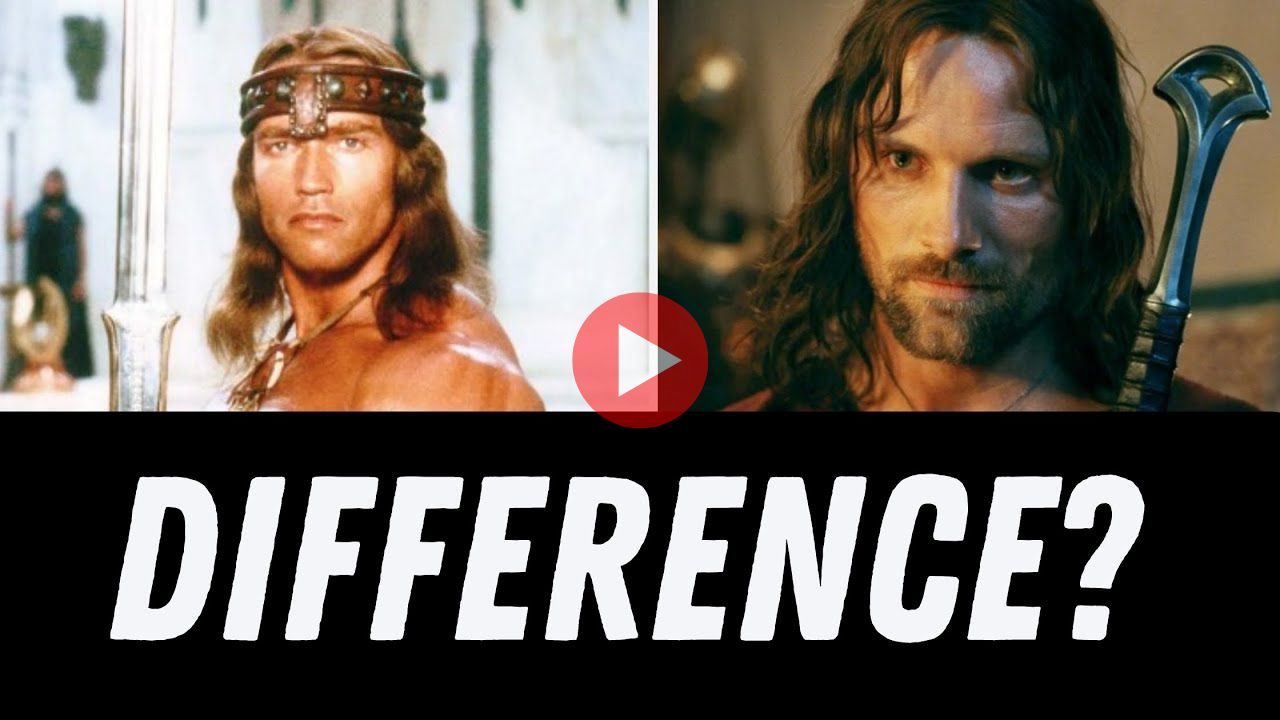
This video explains the key differences between sword and sorcery and high fantasy using clear examples from well known fantasy stories. It complements this article by showing how each genre approaches heroes, worldbuilding, and storytelling in different ways.
The Core DNA That Makes Epic Fantasy And Sword And Sorcery Feel So Different
The biggest difference in epic fantasy vs sword and sorcery is the scale of the adventure. Epic fantasy tells stories that span kingdoms, ancient prophecies, and world changing conflicts. Sword and sorcery keeps the focus on one hero facing dangerous situations and personal challenges. While both feature magic and adventure, they create very different reading experiences. Stories featured in Romantic Fantasy Explained often borrow the larger emotional scope found in epic fantasy.
Epic fantasy rewards readers who enjoy deep worldbuilding and long character journeys. Sword and sorcery delivers quick action, gritty settings, and heroes who rely on skill more than destiny. Neither style is better than the other. The right choice depends on the kind of adventure you want to experience.
🏰 Epic Fantasy
Large scale adventures where heroes influence kingdoms, history, and the future of entire worlds.
Story Scale
World changing events
Hero
Chosen leader or reluctant saviour
World
Rich history and detailed cultures
Magic
Structured systems with clear rules
Reading Feel
Immersive, emotional, and expansive
⚔️ Sword And Sorcery
Fast paced adventures centred on personal survival, dangerous quests, and unforgettable action.
Story Scale
Personal missions and survival
Hero
Skilled warrior or wandering adventurer
World
Ruins, cities, forests, and wild frontiers
Magic
Rare, mysterious, and often dangerous
Reading Feel
Quick, thrilling, and unpredictable
Readers often enjoy both genres because they satisfy different moods. Epic fantasy offers a slow journey through a living world, while sword and sorcery delivers immediate excitement and constant momentum. Knowing these core differences makes it much easier to choose your next fantasy novel or comic.
Stakes, Scope, And Story Structure In Both Subgenres
Epic fantasy tells stories where the stakes affect millions. A dark lord threatens all life. A magical plague spreads across kingdoms. A broken seal unleashes ancient gods. These narratives need enormous casts because no single character can carry that much weight alone. Plot threads weave together across multiple books, and readers track political alliances, family bloodlines, and magical hierarchies simultaneously. The structure rewards endurance. You invest hundreds of hours, and the payoff arrives like a symphony reaching its final movement. Dark fantasy sometimes operates at this scale too, mixing epic scope with horror and moral ambiguity.
Sword and sorcery keeps things tight. One adventure. One city. One dungeon crawl. The stakes are personalgold, revenge, freedom, or simply not dying before sunrise. Story structure mirrors the short story tradition where these tales were born. Even novel-length sword and sorcery moves at a sprint. Chapters hit like punches. Scene transitions waste no words. The reader never waits long for the next fight, betrayal, or escape.
Scope changes everything about pacing. Epic fantasy readers settle in for long journeys. They enjoy maps, appendices, and glossaries. Sword and sorcery readers want immediacy. They want to feel steel in their hand by page three. Neither approach is better. They serve different reading moods. Sometimes I want a feast that lasts all night. Other times I want a shot of whiskey and a sharp blade. Knowing what each subgenre promises helps readers avoid picking up the wrong book and blaming the genre for the mismatch.
How Characters And Morality Shift Between Grand Quests And Gritty Solo Adventures
Epic fantasy heroes tend to be reluctant but noble. Frodo didn’t want the Ring. Rand al’Thor didn’t want to be the Dragon Reborn. But they accepted their burden because the world needed them. These characters grow across thousands of pages, and their moral struggles define the narrative. They face temptation, make sacrifices, and often emerge transformed. Supporting casts include wise mentors, loyal companions, and complex villains who believe their cause is just. The moral framework usually separates good from evil clearly, even when individual characters walk gray lines. The psychology behind why certain fantasy archetypes attract us reveals a lot about what these character types trigger emotionally.
Sword and sorcery protagonists don’t care about saving the world. Conan fought for treasure, women, and power. Fafhrd and the Gray Mouser stole from temples and seduced their way through city-states. These characters are thieves, mercenaries, and outcasts. Their moral compass spins freely. They’ll protect an innocent if the mood strikes, but they’ll rob a merchant five minutes later. This makes them unpredictable and exciting. Readers connect with their humanity, not their heroism.
My boyfriend once compared these two archetypes perfectly during a late-night debate we had over wine and too many fantasy novels scattered across the bed. He said epic fantasy heroes are the people you’d trust with your life. Sword and sorcery heroes are the people you’d trust with a good time. He’s not wrong. That distinction shows up in erotic fantasy too. The epic hero’s love scene carries weight, destiny, and emotional gravity. The sword and sorcery rogue’s encounter burns hot, fast, and unapologetically physical. Both tap into genuine desire, just through different emotional doorways.
Where Sensuality, Darkness, And Adult Themes Fit Into Each Subgenre
Modern fantasy often explores romance and adult relationships in different ways. Epic fantasy usually connects intimacy with character growth, trust, and larger story events. Relationships develop gradually as the adventure unfolds, making emotional moments feel meaningful. Similar ideas about fantasy and attraction can also be seen in Virtual Erotic Striptease, where imagination becomes part of personal expression.
🏰
Epic Fantasy
Romance develops slowly.
Relationships support the main story.
Emotional connection grows over time.
Large world events shape personal choices.
⚔️
Sword And Sorcery
Fast moving character relationships.
High tension during dangerous adventures.
Personal freedom drives decisions.
Action stays at the centre of the story.
Sword and sorcery usually creates a more immediate emotional atmosphere because the stories focus on individual experiences instead of world changing events. From my own reading, my boyfriend often enjoys the faster pace, while I appreciate how epic fantasy lets relationships grow naturally over time. Both approaches work well because they create very different emotional journeys for the reader.
Picking The Right Subgenre For Your Reading Taste Or Writing Voice
Your reading habits can help you decide between these two styles. If you enjoy detailed worlds, political intrigue, and long character journeys, epic fantasy is a great choice. If you prefer quick adventures, memorable heroes, and fast paced action, sword and sorcery may suit you better. Understanding epic fantasy vs sword and sorcery makes it easier to choose stories that match your interests instead of following popular trends.
Many readers enjoy both genres for different moods, and I’m one of them. Some evenings I want to settle into a huge fantasy world with my favourite drink, while other nights I only have time for a thrilling adventure before bed. My boyfriend usually reaches for sword and sorcery first, while I often return to epic fantasy. That mix keeps our bookshelves, and our conversations, far more interesting.
Bring Fantasy Adventure Beyond The Page
If stories filled with legendary warriors, dark villains, and unforgettable adventures spark your imagination, the Darth Invader Black 14-Inch Dong by Icon Brands offers a playful way to celebrate that love of fantasy. Its bold sci-fi inspired design fits naturally with the themes explored throughout this comparison of epic fantasy vs sword and sorcery, making it a fun collectible and conversation piece for fans of imaginative worlds.
Shop Now! Darth Invader Black 14-Inch Dong by Icon Brands
FAQs About Epic Fantasy Vs Sword And Sorcery
How can I tell the difference between epic fantasy and sword and sorcery?
Look at the scale of the story. Epic fantasy focuses on world changing events, while sword and sorcery follows personal adventures and immediate dangers.
Which genre is easier for new fantasy readers?
Sword and sorcery often feels easier because the stories move quickly and feature fewer characters to remember.
Can one fantasy series include both genres?
Many modern authors combine large world conflicts with personal quests, creating stories that borrow strengths from both styles.
Why do epic fantasy books usually take longer to finish?
They spend more time developing characters, cultures, history, and interconnected storylines before reaching major conflicts.
How do I choose the right fantasy genre for my interests?
Think about the experience you enjoy most. Pick epic fantasy for deep world exploration or sword and sorcery for fast action and adventurous heroes.
Frikki
Frikki is a part-time Miami resident who writes about erotic fiction, BDSM, exhibitionism, online identity, and life inside Second Life. She also shares her personal stories and views with readers at Adultsmart.
To provide the best experiences, we use technologies like cookies to store and/or access device information. Consenting to these technologies will allow us to process data such as browsing behavior or unique IDs on this site. Not consenting or withdrawing consent, may adversely affect certain features and functions.
Functional
Always active
The technical storage or access is strictly necessary for the legitimate purpose of enabling the use of a specific service explicitly requested by the subscriber or user, or for the sole purpose of carrying out the transmission of a communication over an electronic communications network.
Preferences
The technical storage or access is necessary for the legitimate purpose of storing preferences that are not requested by the subscriber or user.
Statistics
The technical storage or access that is used exclusively for statistical purposes.The technical storage or access that is used exclusively for anonymous statistical purposes. Without a subpoena, voluntary compliance on the part of your Internet Service Provider, or additional records from a third party, information stored or retrieved for this purpose alone cannot usually be used to identify you.
Marketing
The technical storage or access is required to create user profiles to send advertising, or to track the user on a website or across several websites for similar marketing purposes.