Fantasy fandom culture is the vibrant ecosystem of communities, creators, and fans who gather around fantasy worlds online. These fandoms span web comics, virtual worlds, fan fiction, cosplay, digital art, and erotic storytelling. They thrive on shared passion, creative expression, and deep emotional connection to fictional universes. From Tumblr threads to Discord servers, fantasy fandom culture shapes how millions of people explore identity, intimacy, desire, and belonging through the lens of imagination.
Fantasy Fandom Culture And The Passionate Communities Shaping Online Desire
Fantasy fandom culture has exploded into something far bigger than weekend conventions and paperback novels. Entire online ecosystems now revolve around shared fictional universes. Fans create art, write stories, build virtual identities, and form tight communities. These spaces blur the lines between creativity and personal expression in ways most outsiders never expect. The intimacy within these communities goes deeper than surface level hobby talk. People explore attraction, identity, kink, and vulnerability through their favourite characters and worlds.
I stumbled into fantasy fandom culture around 2009 while moderating a web comic forum. Back then, it felt niche. Now it feels like half the internet. My girlfriend once caught me three hours deep in a world building wiki at 2 AM, and I tried to explain that it was “research.” She didn’t buy it. But honestly, understanding these communities changed how I think about storytelling, connection, and even desire. Fandom isn’t just entertainment. It’s where people figure out who they are and what they want.
How Fantasy Fandom Discussions Shape The Reading Experience
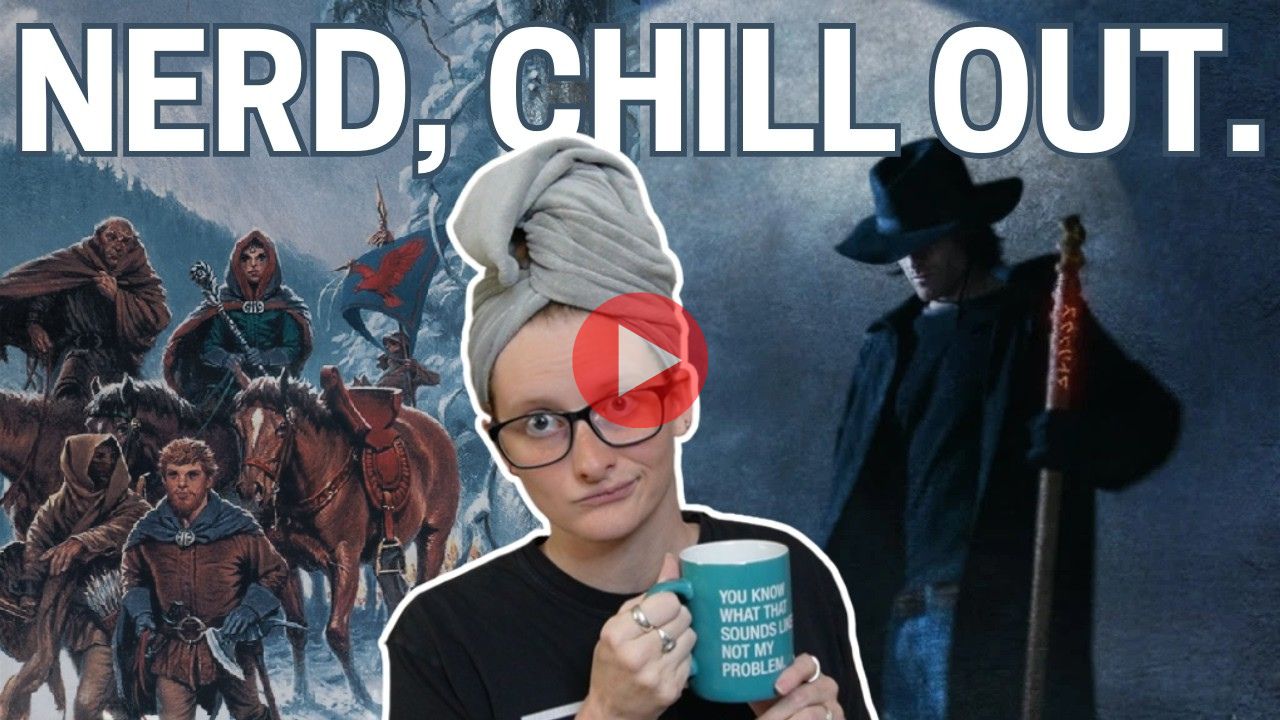
This video explores how online fantasy fandoms can sometimes influence the way people approach books and fictional worlds. It complements this article by showing why healthy discussions, personal opinions, and respectful community participation help keep fantasy fandom culture enjoyable for everyone.
Why Fantasy Fandom Culture Pulls People In And Never Lets Go
Fantasy fandom culture creates a gravitational pull unlike any other hobby. People don’t just read a book or watch a show. They inhabit the world. They write alternate timelines, redesign characters, build playlists for fictional couples, and argue passionately about canon versus headcanon. This level of investment happens because fantasy worlds offer something the everyday world often doesn’t. They offer permission to feel deeply. The emotional stakes feel safe because they’re wrapped in fiction, yet the feelings themselves are completely genuine.
The community aspect supercharges everything. A solo fan might enjoy a fantasy novel quietly. But once that fan discovers a Discord server or a subreddit full of people who love the same obscure elf ranger, something shifts. Shared obsession becomes shared identity. People form friendships, creative partnerships, and even romantic relationships through fantasy creator tools and collaborative platforms. The fandom becomes a social world layered on top of the fictional one. That double layer of belonging keeps people coming back for years.
There’s also a neurological hook at play. Fantasy storytelling activates the brain’s reward systems in powerful ways. Rich world building stimulates imagination, empathy, and emotional arousal simultaneously. Fans who engage creatively get dopamine hits from producing and sharing their work. They get social validation from likes, comments, and reblogs. This feedback loop makes fandom feel less like a pastime and more like a lifestyle. Once you’re in, leaving feels like abandoning a part of yourself.
How Fans Use Fantasy Worlds To Explore Identity, Desire, And Expression
Fantasy fandom culture gives people a comfortable space to explore different parts of themselves through stories and characters. Many fans connect with heroes, villains, or magical worlds that reflect their emotions, values, or personal goals. Creative activities like fan fiction, artwork, and roleplay encourage self-expression without the pressure of everyday life. Many communities also embrace themes linked to erotic fantasy embodiment, where imagination becomes part of personal identity and attraction.
Fantasy spaces also celebrate individuality in many forms. Cosplay, character creation, and online discussions allow people to experiment with different personalities, relationships, and styles while connecting with others who share similar interests. My wife once laughed after noticing that nearly every fantasy character I admired had the same fearless attitude. She was right, and it reminded me how fandom often reveals our interests in ways we never expect.
Fandom Participation
How Different Fandom Spaces Support Personal Expression
Each activity offers a different balance of privacy, social interaction, creative control, and personal confidence.
Fandom Space
Best Suited For
Level Of Participation
Helpful First Step
Private Writing Spaces Personal stories and character journals
Fans who prefer quiet reflection before sharing ideas publicly.
Low social pressure
Write a short scene from a favourite character’s viewpoint.
Fan Art Communities Illustration and visual interpretation
Visual thinkers who enjoy reimagining characters, clothing, and settings.
Moderate interaction
Share one sketch and invite focused, respectful feedback.
Roleplay Groups Interactive character storytelling
Fans who enjoy improvisation, character choices, and shared narratives.
High collaboration
Choose a beginner friendly group with clear participation rules.
Cosplay Gatherings Style, performance, and presentation
People who enjoy clothing, performance, photography, and social events.
Strong public expression
Begin with one recognisable accessory or simple costume element.
Community Forums Theories, opinions, and recommendations
Fans who prefer conversation, analysis, and discovering new creators.
Flexible involvement
Reply to one focused topic before starting a new conversation.
Reader takeaway: Start with a space that matches your comfort level. Participation can grow naturally as confidence and community connections develop.
The Erotic And Creative Spaces Where Fantasy Fandoms Flourish
Erotic creativity sits at the heart of many fantasy fandoms, even if mainstream coverage ignores it. Platforms like Archive of Our Own host millions of explicit fan works. Artists on Patreon and Gumroad sell fantasy-inspired erotic illustrations. Writers serialize steamy fantasy romances on platforms like Wattpad and Tapas. This content isn’t fringe. It’s a massive, thriving sector of fandom culture. The influence of hentai on Western fantasy fandom art styles alone demonstrates how deeply erotic expression and fantasy storytelling intertwine across global communities.
Virtual worlds and roleplay platforms take erotic fandom further. Games with character customization become spaces for intimate storytelling. VRChat communities build entire fantasy realms for social and romantic interaction. Text-based roleplay servers on Discord host elaborate ongoing narratives with adult themes. These spaces blend creative writing, performance, and genuine emotional connection. Participants describe the experience as deeply immersive. The fantasy setting lowers inhibitions and heightens imagination simultaneously.
Merchandise culture feeds into this erotic fandom space too. Fantasy-themed intimacy products have grown into a notable niche. Custom figures, body pillows, and character-inspired toys cater to fans who want physical connections to their favorite worlds. The popularity of items like dakimakura pillows in fantasy communities shows how fandom desire crosses from digital into tangible. Collectors and enthusiasts treat these items with genuine affection. It’s a facet of fandom culture that outsiders mock but insiders embrace openly.
Toxic Patterns, Gatekeeping, And Setting Healthy Fandom Boundaries
Fantasy fandom culture can become stressful when strong opinions turn into personal attacks. Gatekeeping may push away new fans, while arguments over characters or relationships can quickly become hostile. Some communities also struggle with blurred boundaries between fans and creators. Debates around genres such as hentai can become especially heated when people ignore different tastes, comfort levels, and community rules.
Healthy participation begins with knowing when to step back. My girlfriend once stopped checking fandom discussions after 10 PM because late night arguments kept ruining her mood. That simple rule worked better than trying to win every debate. Fandom should add creativity, connection, and enjoyment to life rather than constant pressure.
✓
Simple Boundaries That Protect Your Enjoyment
Limit Notifications Turn off alerts during work, meals, and rest.
Protect Personal Details Avoid sharing private information in public groups.
Choose Calm Spaces Stay where moderation feels fair and consistent.
Avoid Public Pile Ons Pause before joining arguments aimed at one person.
Smarter Ways To Engage With Fantasy Fandom Culture In 2026
The fantasy fandom landscape in 2026 looks different from even three years ago. AI art tools have created fierce debates about creative authenticity. Platform migration continues as sites change content policies. Decentralized social media gives niche communities more control. Engaging smartly means staying adaptable. Follow creators directly rather than relying on algorithms. Support independent platforms that respect adult content and creative freedom. Pay attention to where your favorite communities actually gather, not where mainstream media says they are.
Creating content remains the best way to connect with fandom culture. You don’t need professional skills. Write a short story. Sketch a character. Record a lore analysis video. Build a wiki page. Contribution earns respect faster than consumption in every fandom space. The tools available now make creation easier than ever. Free writing platforms, open-source art software, and accessible video editing have removed most barriers. Fandom rewards effort and passion over polish.
Approach fantasy fandom culture as a participant, not a tourist. Lurking is fine at first. Everyone starts there. But the depth of connection comes from engagement. Comment on other people’s work. Collaborate on projects. Share your genuine reactions without performing coolness. The communities that form around fantasy worlds can become some of the most meaningful social connections in your life. Treat them with the care they deserve, and they’ll give back more than any fictional world ever promised.
Bring Fantasy Adventures To Life With Creature Slime By XR Brands
Fantasy fandom culture is all about imagination, creative roleplay, and immersive adventures. Creature Slime by XR Brands complements that spirit by adding a playful fantasy inspired accessory to themed couples’ experiences, making it a fun choice for fans who enjoy bringing imaginative worlds into their private moments.
Buy Now! Creature Slime by XR Brands
FAQs About Fantasy Fandom Culture
How can beginners become part of fantasy fandom culture?
Start by joining communities that match your favourite stories or creators. Take part in conversations, share your interests, and enjoy the experience at your own pace.
Why do some fantasy fandom communities become difficult to enjoy?
Strong opinions, poor communication, and disagreements over stories can create tension. Respectful discussions and clear community guidelines help keep spaces welcoming.
How can fans support creators beyond buying their work?
Leaving thoughtful comments, sharing projects, joining community events, and recommending creators to friends all help creative communities grow.
Which online platforms are popular for fantasy fandom culture?
Many fans gather on forums, Discord servers, Reddit communities, social media, and creator platforms where discussions and fan projects continue every day.
How can someone find a fantasy fandom that suits their interests?
Explore different communities, follow creators whose work you enjoy, and spend time where conversations feel welcoming. A positive community often makes the hobby far more rewarding.
Frank Patterson
Frank Patterson is the owner of Fantasy Web. He writes about online fantasy culture, web comics, digital storytelling, virtual worlds, creator tools, and the communities that form around them.
To provide the best experiences, we use technologies like cookies to store and/or access device information. Consenting to these technologies will allow us to process data such as browsing behavior or unique IDs on this site. Not consenting or withdrawing consent, may adversely affect certain features and functions.
Functional
Always active
The technical storage or access is strictly necessary for the legitimate purpose of enabling the use of a specific service explicitly requested by the subscriber or user, or for the sole purpose of carrying out the transmission of a communication over an electronic communications network.
Preferences
The technical storage or access is necessary for the legitimate purpose of storing preferences that are not requested by the subscriber or user.
Statistics
The technical storage or access that is used exclusively for statistical purposes.The technical storage or access that is used exclusively for anonymous statistical purposes. Without a subpoena, voluntary compliance on the part of your Internet Service Provider, or additional records from a third party, information stored or retrieved for this purpose alone cannot usually be used to identify you.
Marketing
The technical storage or access is required to create user profiles to send advertising, or to track the user on a website or across several websites for similar marketing purposes.