Webcomic To Novel Transition: A Creator’s Complete Guide
—
by
Frikki
📅Posted: April 17, 2026
|
🔄Updated: April 17, 2026
|
⏱️Reading Time: 8.00 Min Read
A webcomic novel transition happens when a visual, panel-based story evolves into a prose or hybrid format. Creators make this shift to expand narrative depth, reach new readers, and unlock fresh monetization paths. The transition demands rethinking pacing, dialogue structure, and audience engagement since readers consume text differently than art. Successful transitions keep the original story’s voice alive while adapting it for the written page.
Webcomic Novel Transition: How Creators Turn Visual Stories Into Prose Fiction
Every webcomic creator eventually hits a wall. Maybe the art takes too long. Maybe the story outgrows its panels. Maybe you just want to write 10,000 words about your villain’s tragic backstory without drawing a single tear-streaked face. Whatever the reason, more and more creators are making the leap from webcomic to novel format. And honestly? It’s one of the most exciting shifts happening in independent storytelling right now.
I stumbled into this topic sideways, the way I stumble into most things. A friend in Second Life had been serializing a gorgeous BDSM themed webcomic for two years. One night she told me she was converting the whole thing into a novel. My first reaction was “why would you abandon all that beautiful art?” But then she explained her reasons, and they made so much sense that I started researching the trend obsessively. The webcomic novel transition isn’t about giving up on visuals. It’s about letting a story breathe in a different body.
How Comic Panel Transitions Shape Stronger Novel Adaptations
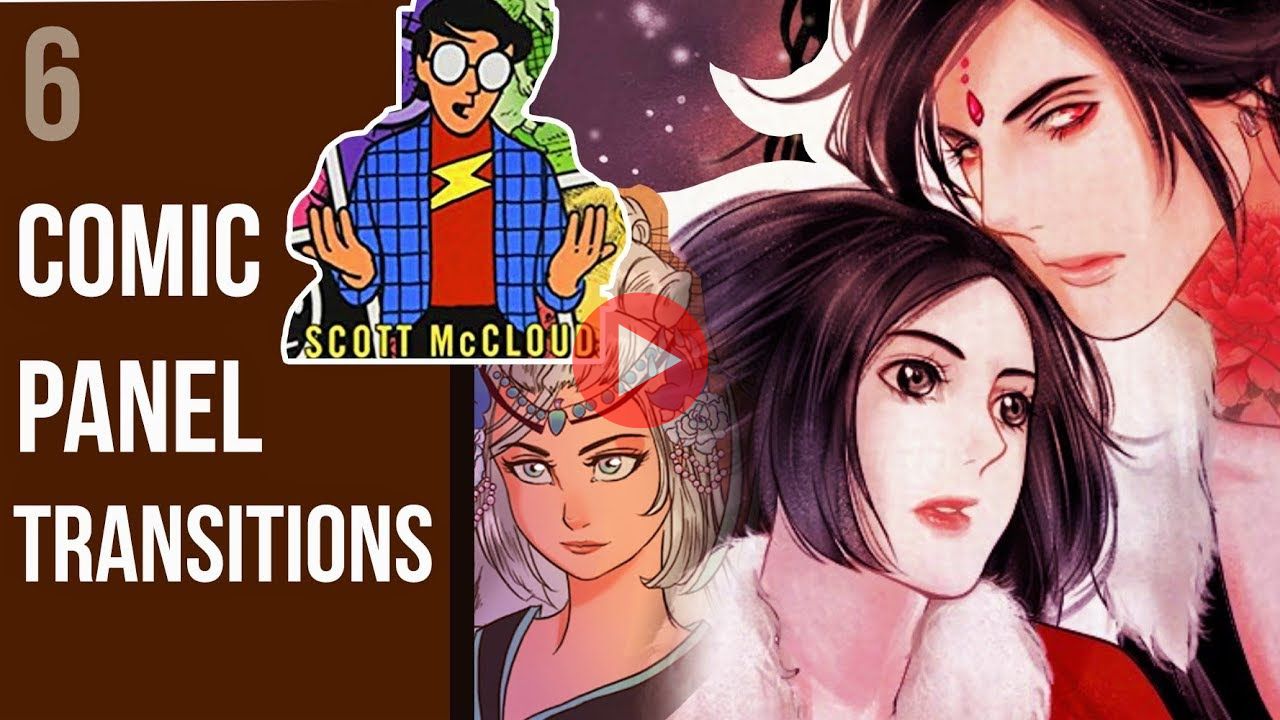
This video explains how comic panel transitions control pacing, storytelling, and reader engagement. Those ideas are valuable during a webcomic novel transition because they help creators identify which visual moments need richer narration and smoother scene flow when adapting a comic into prose.
Why Webcomic Creators Feel the Pull Toward Prose Fiction
The most common reason is burnout. Drawing a webcomic on a weekly schedule is physically exhausting. Your wrists ache, your eyes blur, and your buffer disappears faster than free samples at a convention booth. Prose doesn’t eliminate the work, but it shifts the labour from your hands to your brain in a way that can feel liberating. Many creators discover they can produce chapters faster than they can produce pages. That speed opens up storytelling possibilities that panels simply can’t match. The growing fantasy fandom culture around serialized fiction proves readers are hungry for these longer narratives.
Another driver is narrative ambition. Webcomics excel at visual impact and quick emotional beats. But when a story demands deep internal monologue, complex world lore, or layered psychological tension, panels start feeling cramped. I watched this happen with my friend’s BDSM webcomic. She had a dominatrix character whose motivations were entirely internal. Every panel showing her face was supposed to communicate volumes. In prose, she could just write the thought process. The story went from good to devastating.
There’s also the audience factor. Webcomic readers and novel readers overlap more than people think. Platforms like Wattpad, Royal Road, and Tapas already host both formats. A creator with an established webcomic audience has a built-in readership that most debut novelists would kill for. The webcomic novel transition lets you carry that audience into a new medium. You aren’t starting from zero. You are expanding from a position of strength, and the right creator tools can make the technical side much smoother.
The Hardest Parts of Turning Panels Into Pages Nobody Warns You About
The biggest shock is losing the “show” in “show, don’t tell.” In a webcomic, a character’s expression does half the storytelling. A raised eyebrow, a clenched fist, a background detail that foreshadows doom. In prose, you have to describe all of that or find new ways to convey the same information. Many transitioning creators fall into the trap of over-describing scenes because they’re used to providing visual detail. The key is restraint. Your readers have imaginations. Trust them.
Dialogue changes dramatically too. Webcomic dialogue sits in speech bubbles. It’s naturally short, punchy, and often incomplete. Characters trail off. They interrupt each other visually. In a novel, those same dialogue patterns can read as choppy or confusing without the visual context. You need dialogue tags, beats, and body language cues woven into the text. I learned this firsthand when I tried converting some of my erotic fiction scenarios from illustrated scenes into pure prose. The flirty banter that sparkled in a visual context fell completely flat on the page until I added the physical and emotional texture around it.
Then there’s the identity crisis. This one’s sneaky. When you’re a webcomic creator, your art IS your brand. Your drawing style, your colour palette, your character designs. Readers associate your story with your visual identity. Strip that away, and you are left asking “what makes my story mine?” The answer is voice. Your narrative voice, your thematic obsessions, your emotional instincts. Those don’t disappear when the art does. But it takes time to rediscover them in a new form, and that in-between period can feel genuinely disorienting.
Reworking Pacing, Dialogue, and Scene Structure for a Text Audience
A webcomic and a novel create tension in different ways. Comics rely on page turns and visual surprises, while novels have more room to slow down and explore emotions. During a webcomic novel transition, many scenes need extra detail so readers can picture the setting, understand the mood, and connect with each moment. Creative projects in digital entertainment continue to experiment with pacing and immersion, including interactive storytelling in adult games.
Dialogue also needs a fresh approach. Speech bubbles become paragraphs, and character actions help readers follow each conversation. My boyfriend once pointed out that my early chapters jumped between scenes too quickly. Slowing the transitions and adding small reactions made every conversation feel more natural and much easier to follow.
Story Element
What Readers Expect In A Novel
Simple Improvement
Chapter Opening
Clear context before the action begins.
Introduce the location, mood, or goal in the first few lines.
Conversation Flow
Easy to identify each speaker.
Break dialogue into short paragraphs with action beats.
Scene Changes
Smooth movement between locations and events.
Use brief transitions that explain time or place.
Character Reactions
Visible emotions through words instead of artwork.
Include body language, thoughts, and sensory details.
Chapter Ending
A reason to keep reading.
Finish with an emotional reveal, unanswered question, or important decision.
Keeping Your Fanbase Engaged and Monetizing the New Format
Some readers will follow your webcomic novel transition, while others may prefer the original comic. That’s a normal part of changing formats. Keep your community updated, explain your creative direction, and reward loyal supporters with exclusive content. Many independent creators have found success by growing dedicated audiences, as shown in this interview with an independent adult content producer.
A novel also creates fresh income opportunities through digital books, membership platforms, and serialized releases. My boyfriend helped me organise a simple release schedule for one of my fiction projects, and readers appreciated knowing exactly when the next chapter would arrive. Consistency often keeps supporters engaged far better than frequent changes.
Simple Ways To Strengthen Your New Novel Launch
✓
Create a memorable book cover that matches your comic’s style.
✓
Collect reader reviews early to build trust with new audiences.
✓
Share sample chapters across social platforms to attract fresh readers.
✓
Build an email list so readers never miss future releases.
A Practical Roadmap for Launching Your Webcomic Novel Transition
Start by outlining your story from scratch. Don’t just transcribe your comic panels into sentences. Rethink the entire narrative arc with prose strengths in mind. Where can you add depth? Where were you limited by the visual format? Which scenes need expansion and which need trimming? Create a chapter outline that treats the novel as its own creature, not a carbon copy of the comic. This step alone separates mediocre transitions from great ones.
Write a sample chapter and share it with trusted readers before committing fully. You need honest feedback on your prose voice, not validation from friends who’ll praise anything you post. Ask specific questions. Does the pacing work? Can they visualize the characters without the art? Does the tone match the webcomic’s emotional world? Use that feedback to calibrate before you write 80,000 more words. Early course correction saves months of revision later.
Set a realistic publishing schedule and announce it publicly. Consistency built your webcomic audience, and consistency will build your novel audience too. Weekly chapters work well for serialized web fiction. Biweekly works if your chapters run long. Whatever schedule you choose, stick to it like rent is due. Build a three-chapter buffer before you start publishing. Promote each release on social media with a short excerpt and a visual callback to your comic art. That visual element bridges the gap for readers still adjusting to the new format. Your webcomic novel transition succeeds or fails on momentum, so protect it fiercely.
Bring Your Creative Imagination To Life With Alien Nation Pantera Vibrating Grinder Pad
A webcomic novel transition celebrates imagination, memorable characters, and immersive fantasy worlds. The Alien Nation Pantera Vibrating Grinder Pad by Icon Brands complements that same creative spirit with its bold sci fi inspired design, making it a fun choice for readers who enjoy fantasy themed products and want to extend that sense of adventure beyond the page.
Shop Now! Alien Nation Pantera Vibrating Grinder Pad by Icon Brands
FAQs About Webcomic Novel Transition
How can I make a webcomic novel transition without rewriting everything?
Start with your existing story structure and expand scenes that relied on artwork. Focus on adding narration, character thoughts, and stronger emotional flow instead of replacing every chapter.
Why does my webcomic feel too short when I turn it into a novel?
Comic panels often communicate ideas quickly through visuals. A novel needs richer descriptions, smoother scene transitions, and more character reflection to create a satisfying reading experience.
How do I keep readers interested during a webcomic novel transition?
Offer fresh details that were not shown in the comic. New perspectives, deeper conversations, and expanded world details give existing fans a reason to enjoy both versions.
Which writing habits improve a webcomic novel transition?
Create a chapter outline, edit consistently, and compare each chapter with its comic version. Small improvements during every revision help the novel feel polished and complete.
When should I publish a novel after finishing a webcomic?
Release the novel after reviewing pacing, continuity, and character development. Feedback from trusted readers can help identify areas that benefit from one more revision before publication.
Frikki
Frikki is a part-time Miami resident who writes about erotic fiction, BDSM, exhibitionism, online identity, and life inside Second Life. She also shares her personal stories and views with readers at Adultsmart.
To provide the best experiences, we use technologies like cookies to store and/or access device information. Consenting to these technologies will allow us to process data such as browsing behavior or unique IDs on this site. Not consenting or withdrawing consent, may adversely affect certain features and functions.
Functional
Always active
The technical storage or access is strictly necessary for the legitimate purpose of enabling the use of a specific service explicitly requested by the subscriber or user, or for the sole purpose of carrying out the transmission of a communication over an electronic communications network.
Preferences
The technical storage or access is necessary for the legitimate purpose of storing preferences that are not requested by the subscriber or user.
Statistics
The technical storage or access that is used exclusively for statistical purposes.The technical storage or access that is used exclusively for anonymous statistical purposes. Without a subpoena, voluntary compliance on the part of your Internet Service Provider, or additional records from a third party, information stored or retrieved for this purpose alone cannot usually be used to identify you.
Marketing
The technical storage or access is required to create user profiles to send advertising, or to track the user on a website or across several websites for similar marketing purposes.