The Short Answer
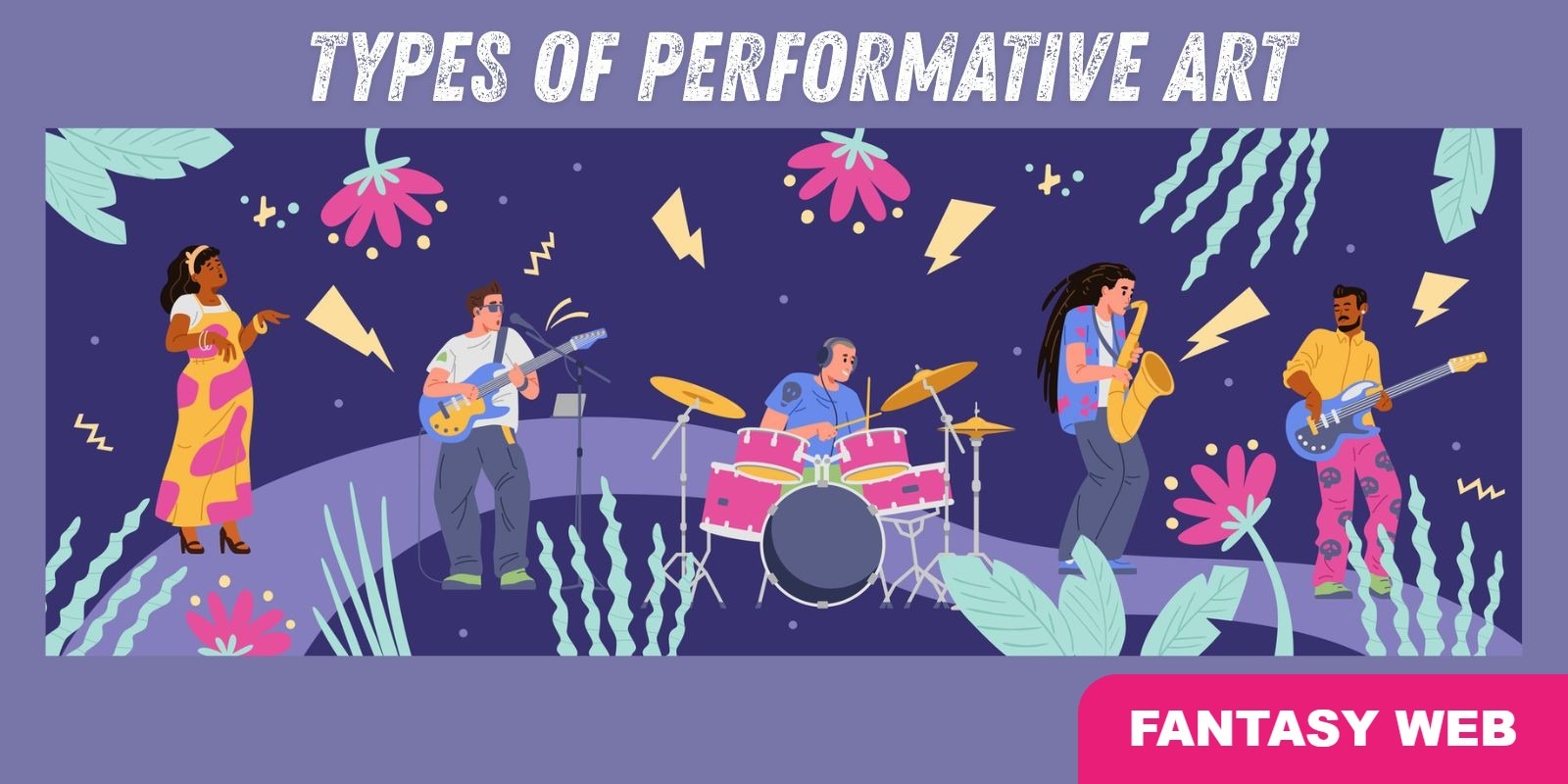
Performative art is an umbrella term for creative disciplines where artists use their presence, voices, or bodies to communicate ideas rather than creating static, physical objects. Unlike paintings, these works are experienced in motion, unfolding live in front of an audience, and are unique to the exact moment they occur.
In This Article
How Performative Art Uses Live Presence To Create Emotion
Some forms of art ask people to quietly observe from a distance, but performative work places the audience inside the atmosphere as it unfolds. Movement, silence, eye contact, pacing, sound, and physical presence all shape the emotional experience in real time. Even small actions can feel unusually intense when they happen live in front of a crowd.
Artists use performance to create tension, vulnerability, intimacy, discomfort, protest, or emotional connection through direct human interaction. The experience changes depending on the environment, the audience reaction, and how close viewers are to the performer. That shifting emotional energy is one of the reasons performative art continues evolving across galleries, theatre spaces, immersive installations, and experimental creative culture.
What Is Performative Art?
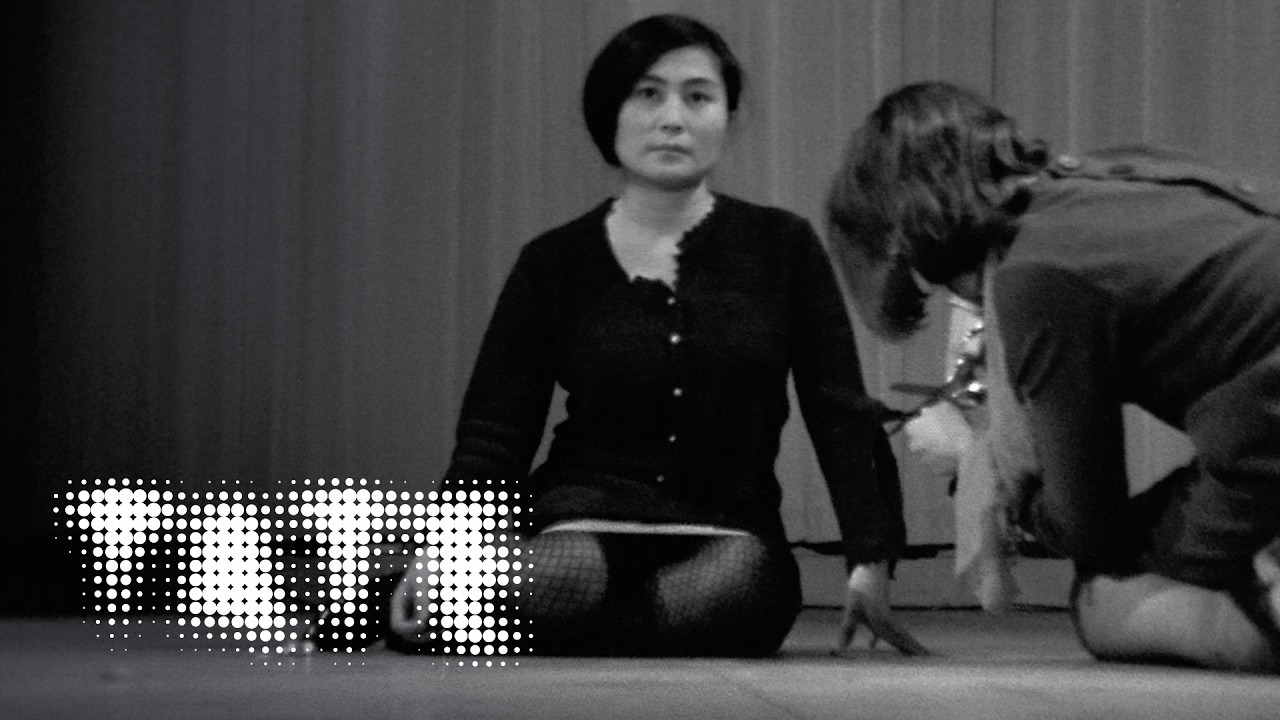
Performative art is a style of creative expression where live action becomes the artwork itself. Instead of creating something static like a painting or sculpture, artists use movement, physical presence, sound, timing, or audience interaction to shape the experience in real time. Some performances involve theatre-like staging and choreography, while others rely on silence, repetition, stillness, or spontaneous behaviour inside public or gallery spaces.
Unlike traditional visual art, performative work changes every time it is presented because the atmosphere depends on the audience, environment, lighting, and emotional energy inside the space. Many artists also use body-focused or intimacy-driven performance to explore vulnerability, attraction, identity, and emotional tension through direct human presence. Conversations around public debates on nude artistic expression often connect closely to performance-based work where the body becomes part of the artistic message.
Types Of Performative Art Explained
The types of performative art exist across many different styles because artists use live presentation for very different emotional and creative goals. Some performances feel theatrical and cinematic, while others rely on silence, discomfort, intimacy, protest, or audience participation to create meaning.
1. Live Body Performance Art
Live body performance art places physical presence at the centre of the experience. The performer’s posture, breathing, movement, exhaustion, or stillness becomes the main focus instead of traditional storytelling. Audiences often react strongly because they are observing vulnerability in real time rather than through a recorded image.
Many artists working in this style explore physical endurance, identity, emotional exposure, and human attention. Long periods of silence or repetitive movement can create tension that feels unexpectedly intense inside a gallery setting.
2. Interactive Audience-Based Performance
Interactive performances invite viewers to become part of the artwork itself. Audience members may be asked to move through the space, answer questions, participate physically, or influence how the performance unfolds. That unpredictability changes the emotional atmosphere from one audience to another.
Smaller experimental performances often use intimacy and proximity to create emotional pressure between performer and viewer. New artists inspired by simple intimacy-focused performance concepts frequently build audience participation around lighting, eye contact, movement, and physical closeness rather than large theatrical production.
3. Theatrical And Movement-Focused Performance Art
Movement-focused performance draws influence from theatre, dance, mime, and physical storytelling. Artists use pacing, gesture, costume, sound, and stage composition to communicate emotion visually instead of relying heavily on spoken dialogue.
Some pieces feel abstract and atmospheric, while others follow loose narrative structures. Slow movement, repeated gestures, and dramatic lighting often create emotional tension stronger than direct explanation.
4. Erotic And Intimate Performance Art
Erotic performance art explores sensuality, attraction, body confidence, vulnerability, and emotional tension through live presentation. Some performances involve nudity or physical intimacy, while others rely more heavily on atmosphere, restrained movement, eye contact, and emotional pacing.
Strong erotic performance art usually focuses more on emotional intensity than explicit detail. The audience reacts to silence, closeness, posture, lighting, and controlled tension rather than surface-level shock value. Reflections shared through personal reflections on erotic visual work often describe how a subtle visual atmosphere creates a stronger emotional response than direct explicitness.
5. Digital And Multimedia Performance Art
Digital performance combines live action with technology-driven visuals such as projections, reactive lighting, livestream overlays, motion tracking, or virtual environments. The technology becomes part of the artistic language instead of remaining hidden behind the performance.
Modern multimedia work also reflects how online culture changes emotional attention and visual interaction. Conversations around how visual attention affects emotional connection connect closely to newer forms of digital performance where screens, cameras, and projected imagery shape emotional response in real time.
6. Political And Protest-Based Performative Art
Political performance art uses live visibility to challenge authority, cultural pressure, social inequality, or public behaviour. These performances often happen in public environments where crowds witness the work unexpectedly instead of entering a traditional gallery space.
Artists may use silence, symbolic movement, costume, painted bodies, repetition, or public confrontation to force attention toward social issues. The unpredictability of public reaction becomes part of the performance itself.
Why Performative Art Creates Strong Emotional Reactions
Performative art often feels emotionally intense because audiences experience it live instead of observing it from a distance. Across many different types of performative art, viewers notice silence, breathing, movement, eye contact, tension, and physical presence in real time, which creates a stronger emotional atmosphere than static visual art. Interactive staging or close audience proximity can also make people feel personally involved in the experience.
The temporary nature of performance adds to that emotional impact because each moment exists only once. Small gestures, pauses, lighting changes, or audience reactions can completely shift the mood inside the room. Many people leave a performance remembering how it felt emotionally, even if they cannot fully explain the meaning afterwards.
My wife and I once watched a small live performance inside a dim gallery space where the artist barely spoke for nearly twenty minutes. Most of the emotional tension came from silence, slow movement, and the reaction of people standing nearby to each subtle gesture. By the end of the performance, the atmosphere in the room felt far more emotionally charged than many larger exhibitions, which showed me how strongly live presence can affect an audience without relying on elaborate visuals.
How Performative Art Changed Modern Creative Culture
Performative art changed modern creative culture by showing that movement, live interaction, emotional tension, and audience participation could be treated as art just as much as paintings or sculpture. Many different types of performative art now influence photography, fashion, theatre, music videos, immersive installations, digital media, and online content, where creators use body language, atmosphere, staging, and visual emotion to create a stronger audience connection in real time.
| Creative Area | Performative Influence | Audience Experience |
|---|---|---|
| Photography | Emotion, movement, and body-focused framing | Images feel more immersive and emotionally personal |
| Fashion | Runways became theatrical and visually dramatic | Shows feel closer to live artistic experiences |
| Music Videos | More symbolic movement and visual storytelling | Viewers connect emotionally through atmosphere |
| Digital Media | Livestreams and interactive visuals became common | Audiences participate more directly in content |
| Gallery Installations | Visitors became part of the artwork environment | Experiences feel physical and emotionally immediate |
Performance, Confidence, And Physical Presence
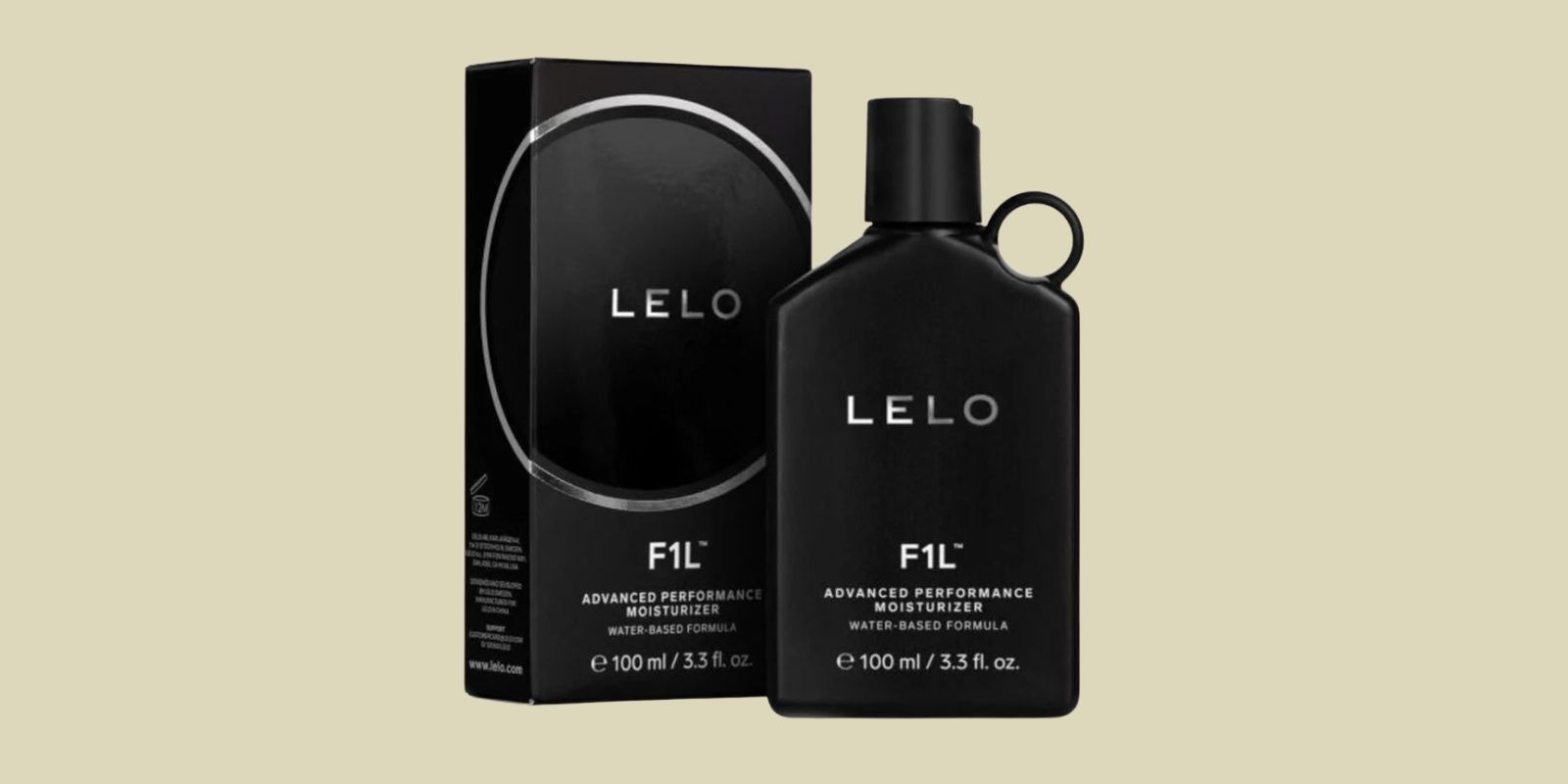
A lot of performative art explores tension, body awareness, confidence, and the connection between physical presence and emotional response. Products like the Lelo F1L Advanced Performance Moisturiser fit naturally into those conversations around intimacy, sensation, and personal confidence, especially in creative spaces where the body itself becomes part of expression and atmosphere.
FAQs About Types Of Performative Art
Why do some performative art pieces avoid using dialogue?
Many artists rely on movement, silence, posture, and visual tension to communicate emotion. Removing spoken explanation shifts audience attention toward atmosphere and physical presence instead of narrative detail.
How do performers prepare for long endurance-based performances?
Preparation often involves physical conditioning, breathing control, pacing techniques, hydration planning, and mental rehearsal. Endurance-focused work can place heavy strain on concentration and body movement over long periods.
Why can audience participation feel uncomfortable during live performances?
Interactive performances remove the normal distance between the viewer and performer. Being observed directly or becoming part of the artwork changes how people behave emotionally inside the space.
What makes multimedia performance art different from traditional theatre?
Multimedia performances blend live action with projections, digital overlays, motion tracking, livestream visuals, or reactive technology. The digital elements change dynamically during the performance instead of staying fixed in the background.
Why do some political performance artworks happen in public streets instead of galleries?
Public environments expose larger audiences to the performance unexpectedly. Street settings also create stronger tension because crowd reaction becomes part of the live artistic experience.