Key Takeaways
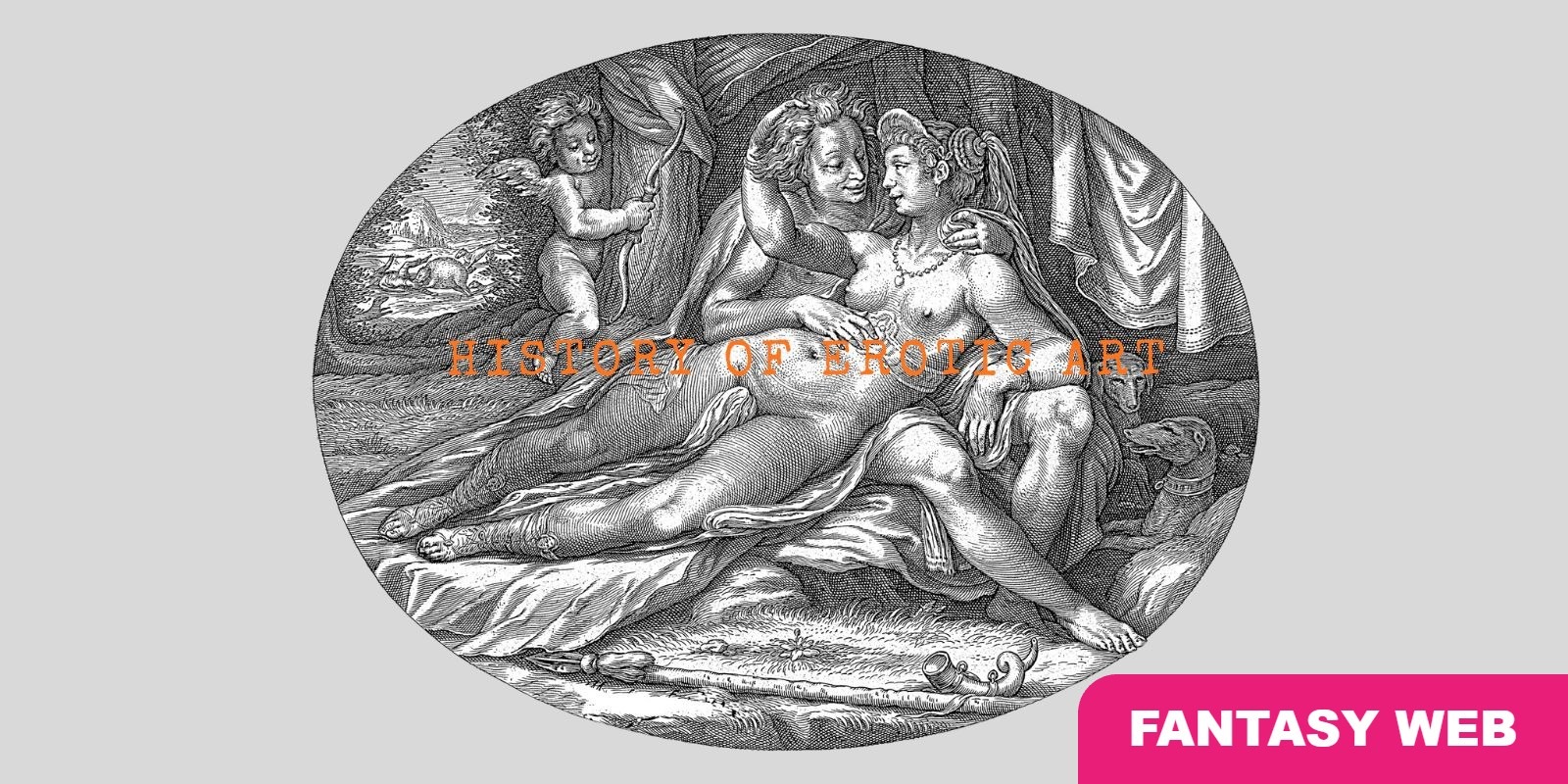
The history of erotic art spans from Paleolithic carvings to contemporary expressions, serving as a reflection of changing societal values. Across civilisations, it has evolved from expressions of fertility and spiritual divinity to symbols of rebellion, personal liberation, and the democratisation of desire.
In This Article
- History of Erotic Art: How Desire, Beauty, and the Human Body Shaped Visual Culture
- How Ancient Civilisations Used Erotic Art
- Why Renaissance and Classical Artists Returned to the Nude Body
- How Erotic Photography Changed Modern Visual Culture
- Why Erotic Art Still Creates Debate Today
- How Fragrance and Attraction Became Part of Sensual Expression
- FAQ About The History of Erotic Art
History of Erotic Art: How Desire, Beauty, and the Human Body Shaped Visual Culture
People have been creating erotic art for thousands of years because the human body has always carried emotional weight beyond simple nudity. Long before cameras or digital media existed, artists carved sensual figures into stone, painted intimate scenes onto walls, and used mythology to explore attraction, beauty, temptation, and desire. Some images celebrated fertility and worship, while others focused more on human curiosity and private fantasy.
What makes erotic art interesting is how much atmosphere changes the way people respond to it. A soft pose, dim lighting, or a quiet facial expression can feel more intimate than explicit detail. That difference has shaped the entire history of erotic imagery, from ancient sculptures to modern photography studios and contemporary galleries.
How Ancient Civilisations Used Erotic Art
Some of the earliest erotic artwork appeared long before museums, galleries, or modern painting techniques existed. Ancient cultures carved fertility figures with exaggerated body features because reproduction, survival, and physical attraction carried spiritual meaning. These objects were not hidden away as private material. Many were tied to worship, seasonal rituals, marriage traditions, and ideas about prosperity.
Greek and Roman artists later shifted toward idealised anatomy and balance. Sculptures focused heavily on muscle definition, posture, and movement, turning the nude body into a symbol of beauty and control. In parts of India, temple carvings showed sensual scenes alongside religious architecture, blending physical intimacy with spiritual symbolism in ways that still surprise modern viewers.
The visual language behind sensual imagery changed constantly across different regions and centuries, which becomes easier to notice when looking at the broader evolution of sensual art. Some cultures emphasised fertility and ritual, while others focused more on romance, mythology, temptation, or physical perfection.
Many ancient works survived because they were carved into stone walls, temples, pottery, and statues instead of fragile canvas. Those surviving pieces now give historians a rare look into how older societies viewed attraction, intimacy, and the body itself.
Why Renaissance and Classical Artists Returned to the Nude Body
During the Renaissance, artists became obsessed with human anatomy again. Painters studied muscles, skin texture, movement, and proportion with far more precision than many earlier medieval works. The nude body returned as a major subject because artists wanted realism, emotion, and visual drama instead of flat symbolic imagery.
Mythology gave painters a way to include erotic themes without turning the artwork into pure provocation. Scenes involving Venus, Aphrodite, satyrs, or lovers allowed artists to explore sensuality through storytelling, fabric, lighting, and body positioning. Much of the intimacy came from suggestion rather than exposure.
Soft shadows across skin, relaxed posture, and direct eye contact created emotional tension that still influences modern visual art today. That distinction explains why many people separate erotic art from explicit content when discussing what erotic art means in visual culture. Mood and presentation often shape the viewer’s reaction more than nudity itself.
painting techniques also changed how sensual scenes felt emotionally throughout the history of erotic art. Artists could blend warm skin tones, reflective fabrics, candlelight, and layered shadows with far more depth than older materials allowed. Those details made many Renaissance works feel human and intimate rather than decorative.
How Erotic Photography Changed Modern Visual Culture
Photography changed erotic art because cameras captured real expressions, body language, and emotion in ways paintings could not fully recreate. Early erotic photographers relied heavily on soft lighting, shadows, mirrors, curtains, and relaxed posing to create intimacy without making images feel harsh or overly explicit. Black-and-white photography also added texture and atmosphere that gave many photographs a cinematic and personal mood.
As cameras became more common, erotic imagery slowly moved from private collections into magazines, advertising, film posters, and popular culture. Pin-up photography played a major role in bringing sensual imagery into mainstream media while still focusing more on pose, styling, and facial expression than graphic exposure. Social attitudes toward attraction and intimacy also shifted during this period, which can still be seen in discussions surrounding sexual history across different cultures.
In my view, erotic photography feels strongest when it captures emotion instead of trying too hard to shock the viewer. A quiet expression, natural posture, or soft shadow across the body usually creates more tension than heavy explicitness. Some of the most memorable photographs feel intimate because they look human and unforced rather than perfectly staged.
Why Erotic Art Still Creates Debate Today
Erotic art still divides opinion because people interpret sensual imagery through completely different cultural, personal, and moral perspectives. One viewer may see emotional vulnerability or artistic beauty, while another focuses only on nudity or explicitness. Context changes everything.
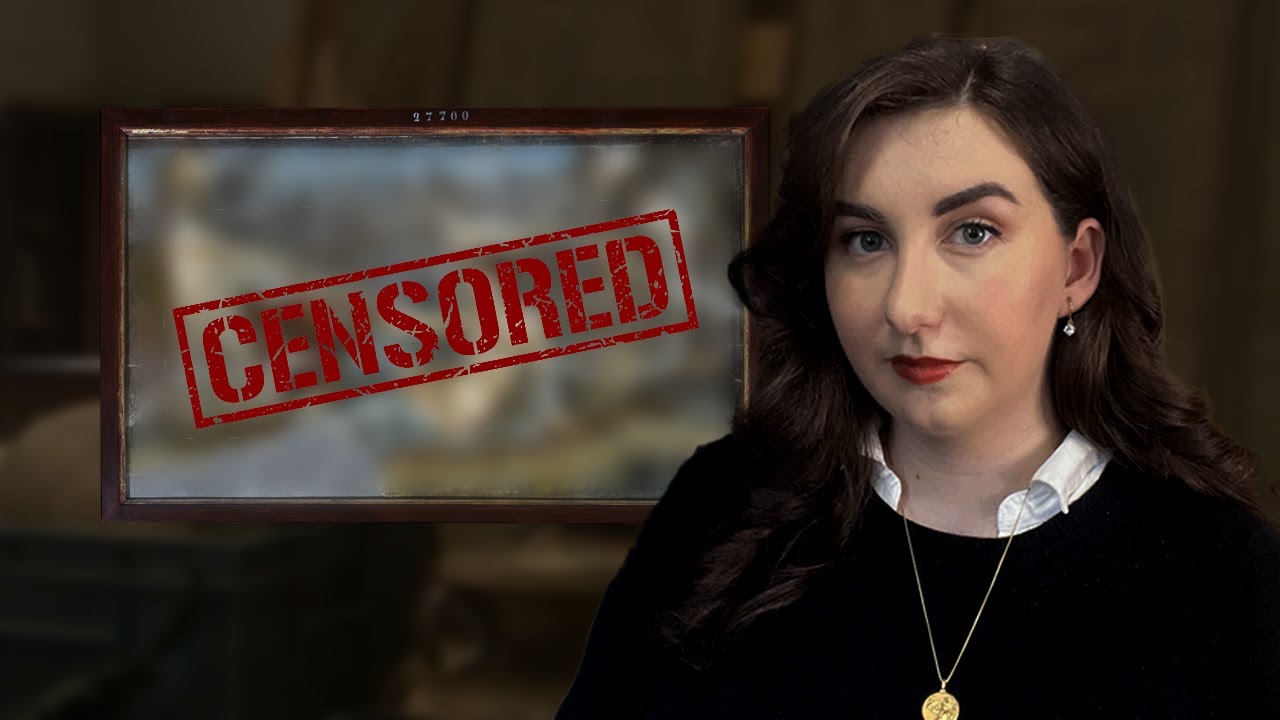
Museums, online platforms, and social media companies continue struggling with the line between art and adult content. A classical nude painting may remain publicly accepted while modern erotic photography gets restricted online despite using similar visual themes. Lighting, realism, pose, and presentation heavily influence how audiences judge the work.
Modern technology has complicated those debates further. Digital editing, AI-generated imagery, and commercial algorithms now shape how erotic visuals are created and distributed. Discussions around consent, exploitation, censorship, and artistic freedom often overlap in ways that did not exist during earlier centuries.
Historical attitudes toward sexuality also continue influencing modern reactions to erotic material. Social discomfort surrounding intimacy, labour, morality, and public image has roots that stretch far beyond modern media, which becomes clearer when examining historical attitudes toward prostitution and sexuality.
Despite constant debate, the history of erotic art continues evolving because artists still use the body to explore emotion, tension, attraction, identity, loneliness, confidence, and human connection. Those themes remain deeply personal regardless of the era or medium.
How Fragrance and Attraction Became Part of Sensual Expression
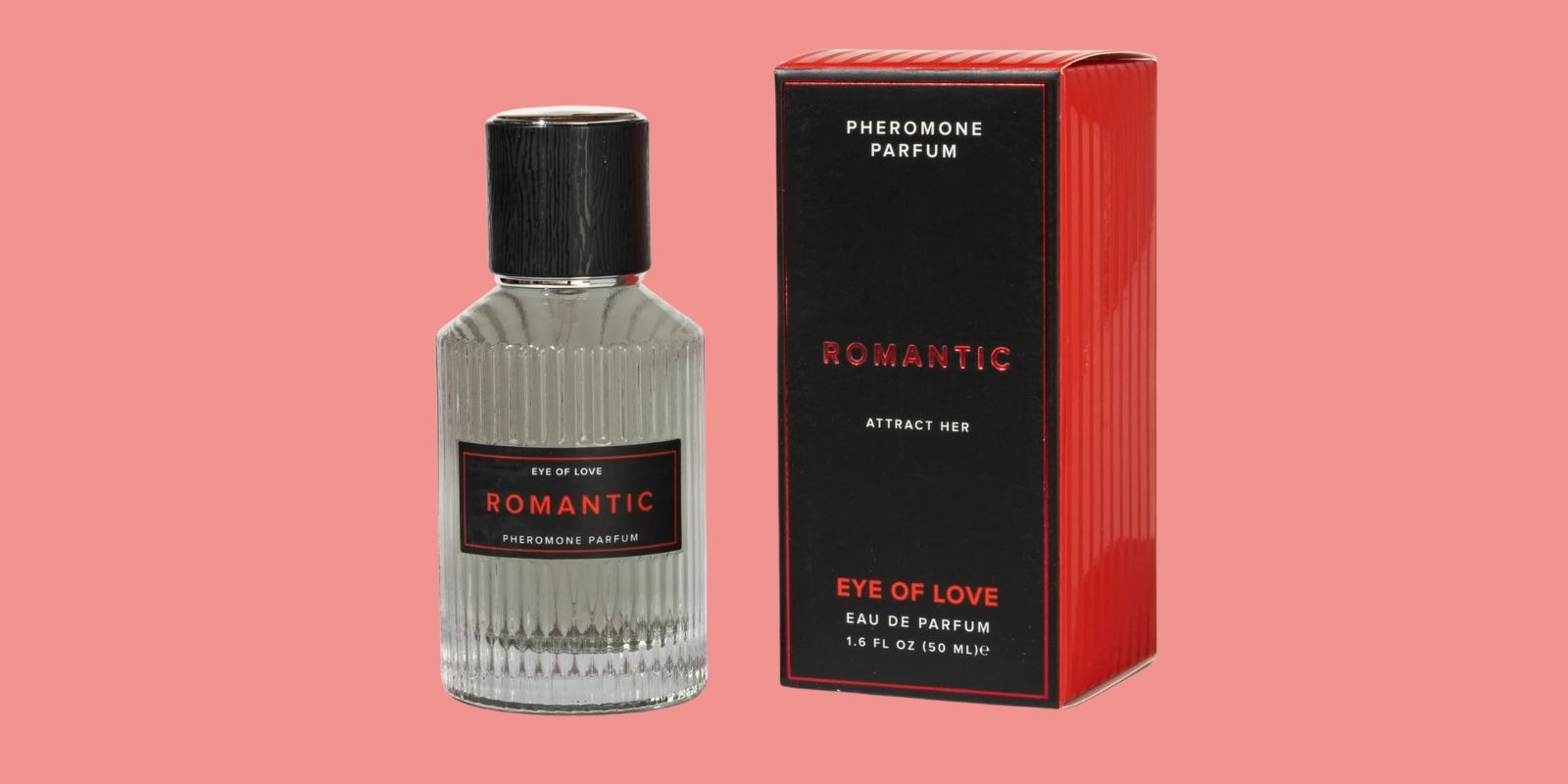
Erotic art has always explored more than visual beauty alone. Fragrance, body presence, and personal atmosphere also shaped attraction across different eras, which makes products like the EOL Romantic Sandalwood Scented Pheromone Cologne feel connected to the same sensual tradition through scent, mood, and emotional presence.
FAQ About The History of Erotic Art
Why do ancient erotic sculptures survive more often than paintings?
Stone statues and temple carvings resisted weather, fire, and damage far better than fabric, wood panels, or painted walls.
Why did many museums hide erotic artwork for decades?
Changing social standards pushed many institutions to place sensual artwork in restricted rooms or private archives during conservative periods.
What makes erotic art feel intimate instead of explicit?
Lighting, body posture, facial expression, and emotional tension often create intimacy without relying heavily on graphic detail.
Why do black-and-white erotic photographs feel softer visually?
Film grain and shadow reduce visual harshness while drawing more attention toward shape, texture, and atmosphere.
How did religion influence erotic imagery in older cultures?
Some civilisations connected sexuality with fertility, divine creation, marriage rituals, and spiritual symbolism rather than shame.