Quick Answer
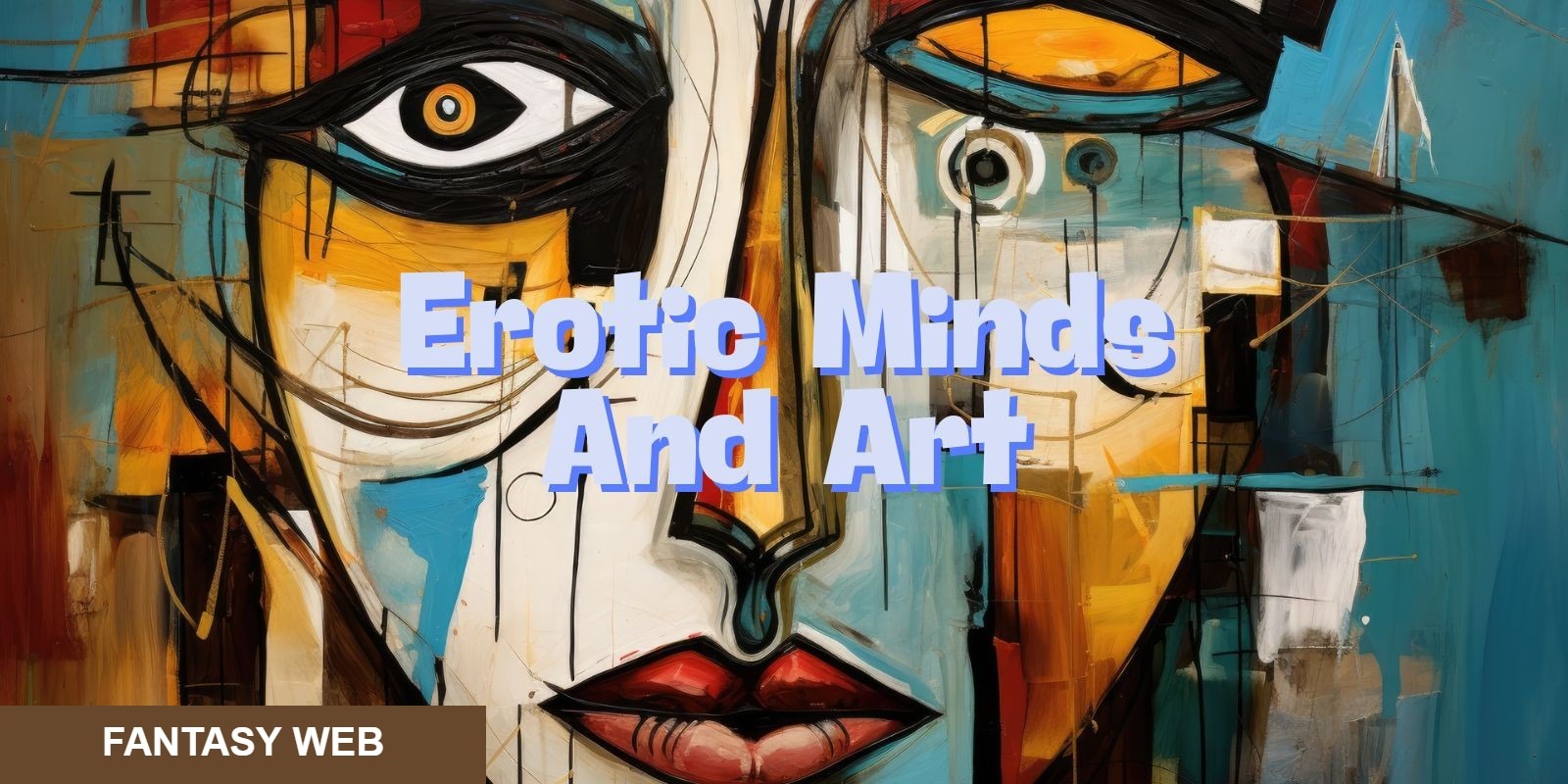
Erotic art intentionally uses themes of human nudity and sexuality to evoke an intellectual or physical response. Rather than simple pornography, true erotic art combines aesthetic form with the human mind, playing on intimacy, fantasy, and desire to blur the lines between psychological attraction and visual expression.
In This Article
- Erotic Minds And Art Through Desire, Fantasy, And Sensual Expression
- The Quiet Psychology Behind Erotic Creativity
- Why Desire Often Feels Stronger Through Aesthetic Tension
- When Visual Art Starts Triggering Physical Fantasy
- The Rise Of Sensual Expression In Modern Erotic Culture
- Wearing Desire As Part Of The Fantasy
- FAQs About Erotic Minds And Art
Erotic Minds And Art Through Desire, Fantasy, And Sensual Expression
Erotic art has always carried a strange emotional pull. A photograph, a painting, a shadow across skin, or even the suggestion of intimacy can trigger curiosity far deeper than direct exposure ever could. Desire often grows inside mystery, emotional tension, and imagination rather than pure visibility. That is why erotic creativity continues to evolve across fashion, cinema, photography, literature, intimacy culture, and modern sensual aesthetics.
As someone immersed in tantric spaces and sensual media for years, I have watched people respond to erotic imagery less like consumers and more like emotional participants. Attraction becomes psychological. Visuals start shaping fantasy, memory, mood, confidence, and connection. Erotic minds and art sit in that exact intersection where emotional energy meets visual seduction.
The Quiet Psychology Behind Erotic Creativity
Erotic creativity usually begins in the mind long before it appears visually. Human attraction responds strongly to emotional suggestion, symbolic imagery, anticipation, confidence, vulnerability, and fantasy. A single expression, posture, or visual contrast can create stronger tension than explicit exposure because the brain starts filling emotional gaps on its own.
Many erotic artists intentionally lean into emotional ambiguity. They create scenes that feel intimate without fully revealing intention. This allows viewers to emotionally project themselves into the atmosphere instead of simply observing it from a distance. Erotic minds are highly responsive to implication, emotional suspense, and sensory imagination.
Modern sensual culture also connects erotic creativity with rebellion, self-expression, identity, and emotional freedom. The growing influence of provocative aesthetics, body-positive imagery, and artistic sensuality reflects the same themes found throughout erotic rebellion culture, where attraction becomes tied to confidence, expression, and personal liberation rather than traditional expectations alone.
What makes erotic art memorable is rarely shock value. The strongest pieces create emotional tension that lingers mentally. People remember how the atmosphere felt, how the imagery shifted mood, and how the visual storytelling triggered desire without needing to explain itself directly.
Why Desire Often Feels Stronger Through Aesthetic Tension
Desire often grows stronger when intimacy feels slow, emotionally charged, and slightly out of reach. Soft lighting, eye contact, body language, silence, and subtle movement can create more tension than direct exposure because the mind stays emotionally engaged. Sensual attraction usually builds through anticipation rather than instant intensity.
That emotional pacing is one reason slow-burning seduction continues to feel so powerful inside erotic storytelling and visual art. Fashion editorials, sensual photography, and intimate cinema often rely on atmosphere, restraint, and emotional suspense to create a deeper connection between the viewer and the scene.
From my own experience working around tantric spaces and sensual media, I have noticed that sexual desire feels far more intense when attraction unfolds slowly instead of feeling rushed. A lingering glance, emotional tension, or quiet physical closeness often stays in the mind much longer than something overly direct. That emotional anticipation creates a kind of sensual energy that feels deeply personal and immersive.
When Visual Art Starts Triggering Physical Fantasy
Erotic art can trigger physical fantasy by combining visual beauty with emotional tension and imagination. A photograph, cinematic scene, or symbolic artwork can create sensual anticipation through shadows, body language, slow pacing, and atmosphere rather than direct exposure alone. This psychological connection between fantasy and visual focus is one reason themes connected to exploring erotic hypnosis continue attracting attention in modern sensual culture, where emotional immersion and mental stimulation shape desire more deeply.
- Symbolic imagery often creates stronger emotional curiosity than overly direct visuals.
- Music, lighting, and pacing can intensify sensual imagination inside erotic scenes.
- Many viewers emotionally project their own fantasies into artistic visuals.
- Surreal aesthetics and visual mystery keep the attraction mentally active for longer.
- Erotic fantasy usually becomes stronger when imagination participates in the experience.
The Rise Of Sensual Expression In Modern Erotic Culture
Modern erotic culture has shifted toward immersive sensual experiences rather than purely visual stimulation. People increasingly connect attraction with atmosphere, emotional energy, ritual, touch, confidence, scent, movement, and intentional intimacy. Erotic expression now appears across wellness spaces, fashion aesthetics, photography, nightlife, tantric events, and sensual self-care culture.
This shift explains why intimacy-focused experiences continue becoming more emotionally curated. Lighting, body awareness, relaxation, skin contact, and emotional presence now play larger roles in sensual exploration. Erotic aesthetics are no longer limited to performance alone. They are becoming part of emotional wellness and personal expression.
The same sensory focus appears strongly inside intimate bodywork culture. The atmosphere, emotional pacing, and touch-centred connection found in how to get an erotic massage reflect how sensuality often depends on relaxation, anticipation, comfort, and emotional responsiveness rather than aggressive stimulation.
As erotic culture becomes more emotionally intelligent, artistic sensuality continues evolving alongside it. Modern audiences are drawn toward intimacy that feels immersive, psychologically engaging, aesthetically beautiful, and emotionally layered instead of visually excessive. erotic minds and art increasingly reflect a desire for emotional texture, visual atmosphere, and deeper psychological connection rather than simple intensity alone.
Wearing Desire As Part Of The Fantasy
Erotic fashion often becomes an extension of mood, confidence, and visual seduction rather than simple clothing alone. An Aqua Erotic Sheer Dress adds the same kind of aesthetic tension explored throughout erotic art by blending softness, exposure, mystery, and body-focused sensuality into one visually intimate experience.

FAQs About Erotic Minds And Art
Why do some artworks feel more seductive than explicit content?
Emotional tension, mystery, body language, lighting, and atmosphere often trigger stronger imagination than direct exposure alone.
Can erotic art improve intimacy between couples?
Shared visual inspiration can help couples discuss fantasy, attraction, emotional mood, and sensual preferences more comfortably.
Why does mystery increase attraction inside erotic visuals?
The brain naturally responds to anticipation and emotional curiosity, which keeps desire mentally active for longer periods.
Do sensual aesthetics affect emotional mood?
Lighting, texture, sound, visual softness, and artistic imagery can influence relaxation, emotional openness, and romantic tension.
How do artists create erotic tension without showing explicit scenes?
Many rely on pacing, symbolism, posture, emotional distance, shadows, facial expression, and visual storytelling instead of direct exposure.



Leave a Reply
You must be logged in to post a comment.