The Short Answer
Cultural differences in relationships shape how partners communicate, make decisions, and express love. Navigating these backgrounds requires active listening, empathy, and a willingness to compromise. Rather than ignoring differences, couples thrive by embracing them as learning opportunities and establishing new, shared relationship rituals.
In This Article
- Cultural Differences In Relationships And How Couples Grow Through Them
- Understanding Cultural Differences In Relationships
- The Role Of Communication In Bridging Cultural Gaps
- Respecting And Valuing Different Traditions And Beliefs
- Building Strong Emotional Bonds Across Cultures
- Cultural Adaptation, Identity, And Personal Growth
- Creating Intimate Moments Across Different Cultures
- FAQs About Cultural Differences In Relationships
Cultural Differences In Relationships And How Couples Grow Through Them
Relationships become emotionally layered when two people carry different traditions, beliefs, and emotional habits into the same space. Something as simple as expressing affection, handling conflict, or speaking to family members can suddenly feel complicated when both partners were raised with completely different expectations.
Many couples mistake cultural friction for emotional incompatibility. In many relationships, the deeper tension comes from different emotional conditioning, communication habits, and expectations shaped through family traditions and upbringing. The real challenge is learning how to stay emotionally connected while bringing two completely different worlds into the same relationship.
Understanding Cultural Differences In Relationships
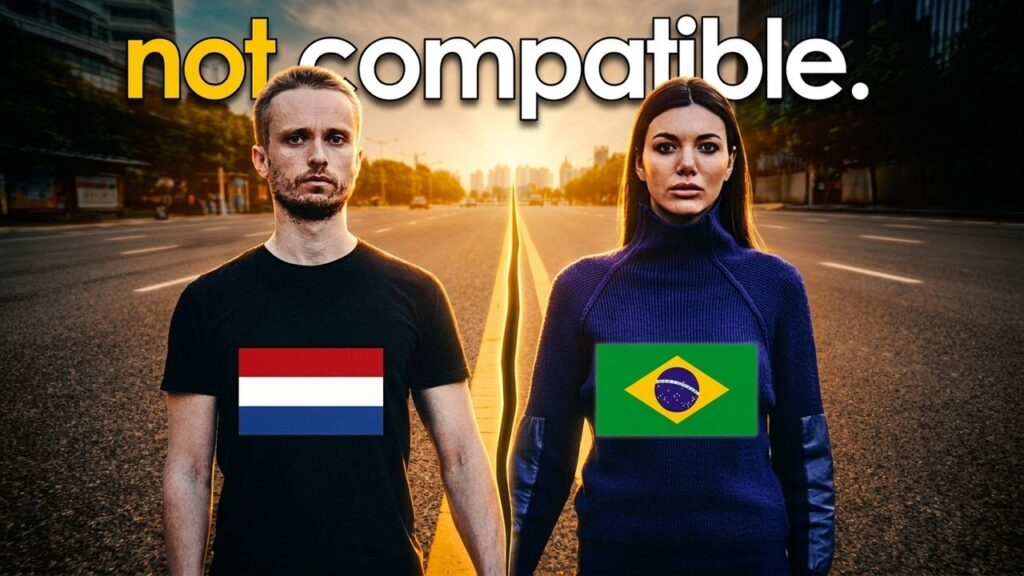
Cultural differences affect far more than language or traditions. They shape emotional behaviour, family expectations, relationship roles, intimacy habits, and even how people react during stress or disagreement. Many couples enter relationships without realising how deeply culture influences daily behaviour.
One partner may grow up in a household where emotions are openly expressed, while the other learns to stay emotionally reserved. Some cultures encourage strong independence within relationships, while others place heavy importance on family involvement and collective decision-making.
These differences can create emotional confusion when both people interpret behaviour through completely different emotional experiences. Similar tension appears in relationships facing age gap relationship problems, where life experiences and emotional expectations influence how couples connect and communicate.
Cultural differences do not automatically damage compatibility. Problems usually grow when couples stop asking questions and begin assuming their emotional perspective is the only “normal” one inside the relationship.
The Role Of Communication In Bridging Cultural Gaps
Communication differences in multicultural relationships often go beyond language. Tone of voice, emotional expression, body language, and even the way couples handle arguments can feel completely different depending on cultural upbringing. One partner may prefer direct conversations during conflict, while the other needs quiet space before opening up emotionally.
These differences can slowly create frustration when both people misunderstand each other’s intentions. Emotional reassurance becomes especially important when insecurity or outside pressure affects the relationship, similar to patterns seen in jealousy issues in relationships. Strong communication usually grows when couples stop reacting defensively and start listening with more emotional patience.
My husband and I grew up with very different cultural habits around communication. In his family, emotions were discussed openly and immediately, while mine believed in staying calm and private during conflict. Early in our marriage, small disagreements felt much bigger because we expressed stress in completely different ways. Over time, we learned how to understand the emotional meaning behind each other’s reactions instead of assuming the worst during difficult conversations.
Respecting And Valuing Different Traditions And Beliefs
Different traditions and beliefs often hold deep emotional value because they connect people to family, identity, religion, and upbringing. Relationships can become emotionally tense when one partner dismisses customs that matter to the other person. Strong multicultural relationships usually grow through curiosity, respect, and emotional openness instead of criticism or pressure. Couples who make space for each other’s traditions often build deeper emotional trust and avoid the kind of long-term resentment commonly connected to broken relationships.
| Cultural Difference | Common Relationship Challenge | Healthy Relationship Approach |
|---|---|---|
| Family Traditions | Feeling pressured during holidays or celebrations | Creating shared traditions together |
| Religious Beliefs | Disagreements about values or rituals | Respecting personal spiritual boundaries |
| Communication Style | Misunderstanding emotional reactions | Listening without immediate judgment |
| Gender Expectations | Conflict around relationship roles | Discussing expectations openly |
| Social Habits | Feeling uncomfortable in unfamiliar situations | Showing patience during adjustment |
Building Strong Emotional Bonds Across Cultures
Strong emotional bonds rarely form through perfect compatibility alone. They grow through emotional patience, vulnerability, consistency, and the ability to stay emotionally connected during uncomfortable moments.
Couples from different cultural backgrounds often build stronger relationships when they create their own emotional rhythm instead of trying to fully follow one partner’s cultural expectations. That balance allows both people to feel respected without constantly defending their identity.
Physical affection, intimacy habits, emotional reassurance, and expressions of love can also differ significantly across cultures. One partner may express love through verbal affection, while the other values loyalty, responsibility, or practical support more deeply.
Different emotional perspectives around romance and connection continue shaping relationships around the world, including conversations surrounding the culture of love and how emotional traditions influence modern partnerships.
Relationships usually become emotionally stronger when couples stop competing over whose culture is “right” and start building shared emotional experiences together.
Cultural Adaptation, Identity, And Personal Growth
Multicultural relationships often change both partners emotionally over time. People begin questioning old assumptions, exploring new traditions, and developing emotional flexibility they may never have learned before entering the relationship.
Adaptation does not mean losing cultural identity. Healthy relationships allow both people to grow while still respecting where they came from emotionally and culturally. Problems usually appear when one partner feels pressured to erase their habits, beliefs, or personal identity to avoid conflict.
Growth often happens slowly through shared experiences, difficult conversations, travel, family interactions, and emotional compromise. Couples who remain emotionally curious about each other usually develop stronger empathy and emotional maturity over time.
Cultural differences can create emotional challenges, but they also expand emotional awareness. Many couples discover deeper intimacy after learning how to love someone whose life experience looks completely different from their own.
Creating Intimate Moments Across Different Cultures
Emotional connection often grows stronger when couples create small shared experiences that feel comforting, playful, and physically close despite their cultural differences. Sensual products like the Hemp Seed Mini Mania can help couples slow down, relax together, and build intimacy in a more natural and emotionally connected way while exploring each other’s comfort levels and relationship dynamics.

FAQs About Cultural Differences In Relationships
Why do cultural differences create relationship tension?
Different emotional habits, traditions, communication styles, and family expectations can create misunderstandings when couples interpret behaviour differently.
Can cultural differences affect intimacy?
Different views around affection, privacy, emotional expression, and gender roles can influence physical and emotional closeness in relationships.
How do couples handle family pressure from different cultures?
Many couples create emotional boundaries together while still respecting important traditions and family relationships.
Do multicultural relationships become easier over time?
Many couples develop stronger emotional understanding as they learn each other’s communication style, traditions, and emotional needs.
What helps multicultural couples stay emotionally connected?
Patience, honest communication, emotional curiosity, and mutual respect often help couples build a deeper long-term connection.



Leave a Reply
You must be logged in to post a comment.