In A Nutshell
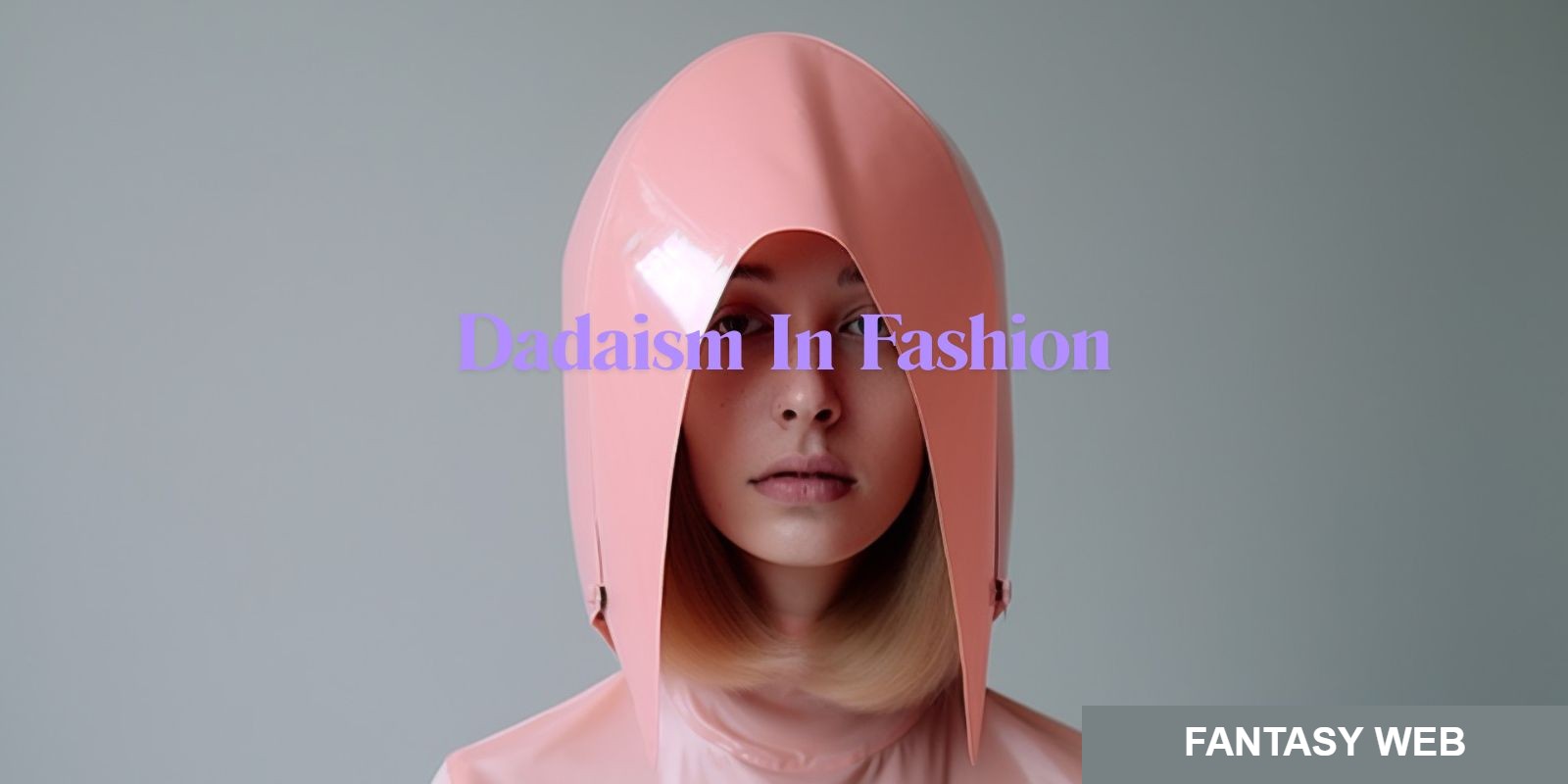
Dadaism in fashion is an anti-establishment movement that rejects traditional tailoring and aesthetic standards. It challenges the logic of clothing through deconstruction, non-functional additions, and absurd silhouettes. Designers use collage-like layering, found objects, and unconventional materials to transform apparel into provocative, wearable art.
In This Article
- Dadaism In Fashion: How Artistic Rebellion Changed The Way We Dress
- From Anti-Art Manifestos To Wearable Rebellion
- The Design Language That Made Dada Fashion Impossible To Ignore
- How Designers Turned Dada Ideas Into Runway Statements
- Why Dadaism Still Shapes Contemporary Fashion Culture
- Clothing As Performance, Identity, And Creative Protest
- When Fashion Becomes A Creative Statement
- FAQs About Dadaism In Fashion
Dadaism In Fashion: How Artistic Rebellion Changed The Way We Dress
Most fashion trends aim to be attractive, wearable, or commercially successful. Dada-inspired fashion followed a different path. It embraced contradiction, provoked reactions, and challenged the idea that clothing had to follow established rules. Garments became creative statements, turning everyday dressing into something closer to artistic expression.
Dadaism in fashion emerged from a movement that questioned authority, mocked convention, and celebrated experimentation. Those ideas eventually found their way into design studios and runways, where unexpected materials, visual disruption, and unconventional styling reshaped how designers approached clothing. The result was a form of fashion that valued originality over conformity and creativity over predictability.
From Anti-Art Manifestos To Wearable Rebellion
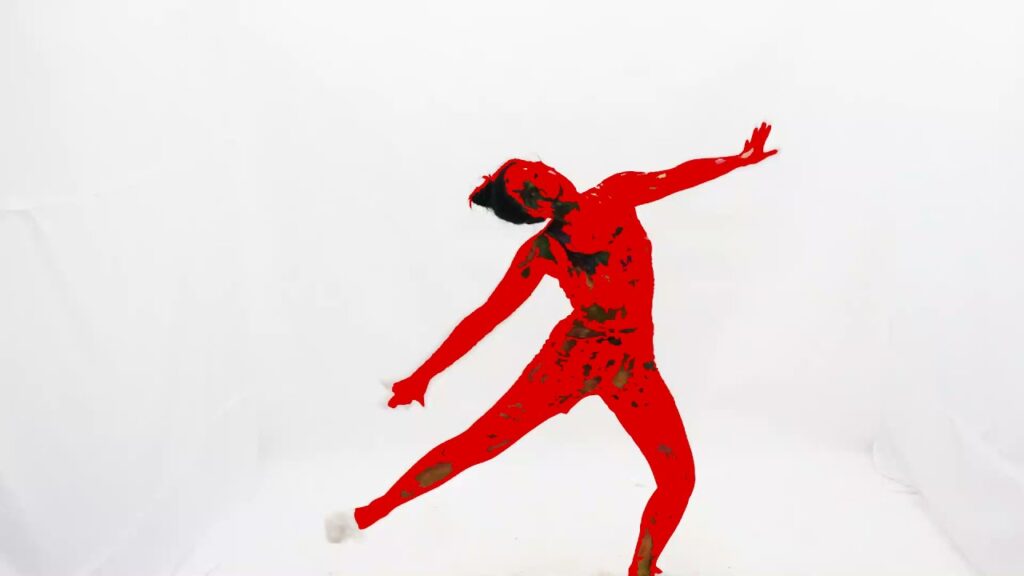
Dada emerged as a reaction against social conventions, political systems, and artistic traditions that many creatives believed had failed society. Instead of celebrating order and refinement, Dada artists embraced contradiction, humour, spontaneity, and disruption. Their work encouraged audiences to reconsider what art could be and who had the authority to define it.
Fashion proved to be a natural extension of those ideas. Clothing offered a highly visible way to challenge expectations and communicate individuality. Designers began adopting principles that questioned conventional aesthetics, turning garments into artistic statements rather than decorative objects. Readers looking for broader historical context may find Dada art for beginners useful for understanding the foundations that later influenced fashion.
Dadaism in fashion introduced a mindset that valued experimentation over perfection. Garments became opportunities to provoke reactions, challenge norms, and celebrate creative freedom in ways that traditional fashion rarely attempted.
The Design Language That Made Dada Fashion Impossible To Ignore
One of the most recognisable characteristics of Dada-inspired fashion is its refusal to follow predictable design rules. Instead of symmetry and harmony, designers often embraced visual tension, unexpected combinations, fragmented imagery, and unconventional construction techniques.
Collage became particularly influential. Just as Dada artists assembled unrelated images into surprising compositions, fashion designers combined contrasting fabrics, patterns, textures, and silhouettes. Everyday objects occasionally appeared as decorative elements, challenging assumptions about what belonged in a garment.
Typography, printed graphics, irony, and playful visual contradictions also became part of the Dada fashion vocabulary. These elements helped transform clothing into conversation pieces. The broader cultural influence of these ideas can also be seen in Dadaism beyond the galleries, where creative disruption expanded far beyond traditional art spaces.
How Designers Turned Dada Ideas Into Runway Statements
Dadaism encouraged designers to think beyond traditional ideas of fashion. Instead of focusing only on appearance, many used clothing to express concepts, challenge expectations, and create memorable visual experiences. This approach helped fashion become a platform for creativity rather than simply following seasonal trends.
Experimental materials also became an important part of this movement. Work in textile arts shows how fabrics, textures, and unconventional construction techniques can transform ordinary garments into distinctive artistic pieces that attract attention for their originality.
- Fashion shows became spaces for creative storytelling.
- Designers borrowed ideas from art, theatre, and performance.
- Unexpected materials introduced new visual possibilities.
- Garments often reflected individuality rather than convention.
- Concept-driven collections encouraged audiences to think differently about clothing.
Why Dadaism Still Shapes Contemporary Fashion Culture
The influence of Dadaism in fashion continues to appear across contemporary design, streetwear, sustainable fashion, and digital culture. Many modern designers reject rigid categories and embrace the same spirit of experimentation that defined the original movement.
Upcycled garments, reconstructed clothing, and designs built from repurposed materials often reflect Dada’s fascination with reimagining ordinary objects. Social media has amplified these ideas by rewarding originality, visual surprise, and creative reinterpretation.
Interest in unconventional textures and materials remains particularly relevant today. Discussions surrounding everyday fabrics highlight how familiar materials can create entirely new sensory and visual experiences, a concept that aligns closely with Dada’s experimental approach to creativity.
Rather than existing as a historical curiosity, Dada continues to inspire designers seeking fresh ways to challenge expectations and redefine personal style.
Clothing As Performance, Identity, And Creative Protest
Dadaism in fashion helped turn clothing into more than something people wear every day. A garment could communicate personality, challenge expectations, or reflect a creative viewpoint. This shift encouraged people to see fashion as a form of self-expression rather than simply following popular trends.
That influence remains visible today through experimental styling, customisation, and unconventional design choices. Interest in materials and sensory experiences has also grown, with discussions around everyday fabrics showing how familiar textures can be reimagined in creative and unexpected ways.
I have always found it interesting how clothing can completely change the mood of an experience. On one occasion, my partner and I visited a contemporary art exhibition where several fashion-inspired installations blurred the line between clothing and artwork. The experience reminded us that personal style is often less about following trends and more about expressing individuality in a way that feels authentic.
When Fashion Becomes A Creative Statement
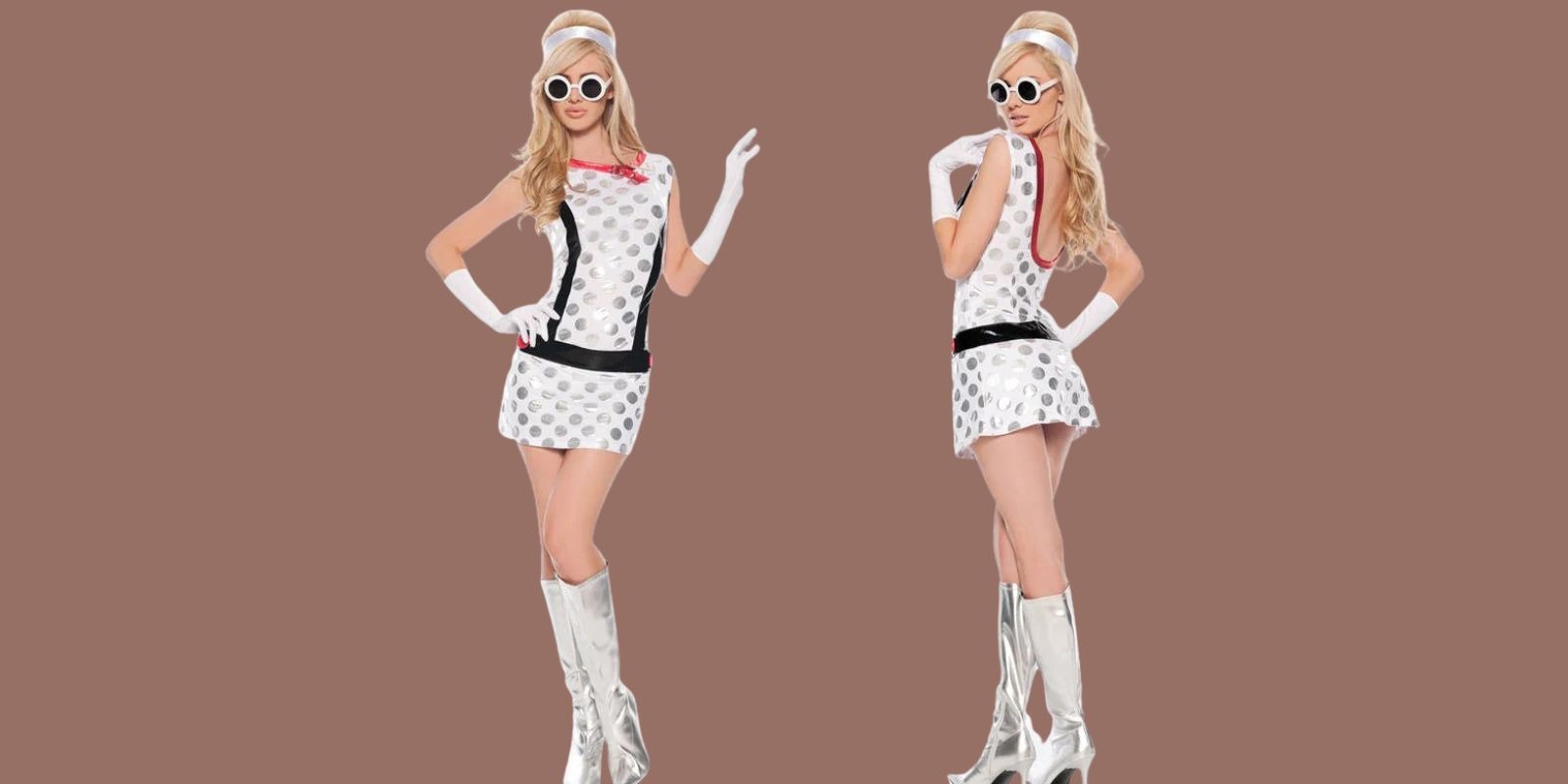
Dadaism in fashion encouraged people to see clothing as more than something functional. Outfits became a way to experiment with identity, performance, and visual impact. The Miss Mod White Costume captures some of that same spirit through its distinctive look and playful character-inspired styling, showing how fashion can transform an ordinary outfit into a memorable statement that stands out from convention.
FAQs About Dadaism In Fashion
How did Dadaism influence fashion design?
Dada introduced experimentation, irony, collage techniques, and unconventional materials that encouraged designers to challenge traditional fashion rules.
Why do Dada-inspired clothes often look unconventional?
The movement celebrated disruption and creative freedom, leading designers to embrace unexpected shapes, textures, and visual contrasts.
Can sustainable fashion reflect Dada principles?
Upcycling, reconstruction, and creative reuse of materials align closely with Dada’s approach to transforming ordinary objects.
Which fashion movements show Dada influence today?
Avant-garde fashion, conceptual design, experimental streetwear, and many forms of artistic fashion continue to reflect Dada ideas.
Why does Dadaism remain relevant in fashion culture?
Its emphasis on originality, self-expression, and questioning conventions continues to inspire designers and wearers seeking creative independence.



Leave a Reply
You must be logged in to post a comment.