Quick Answer
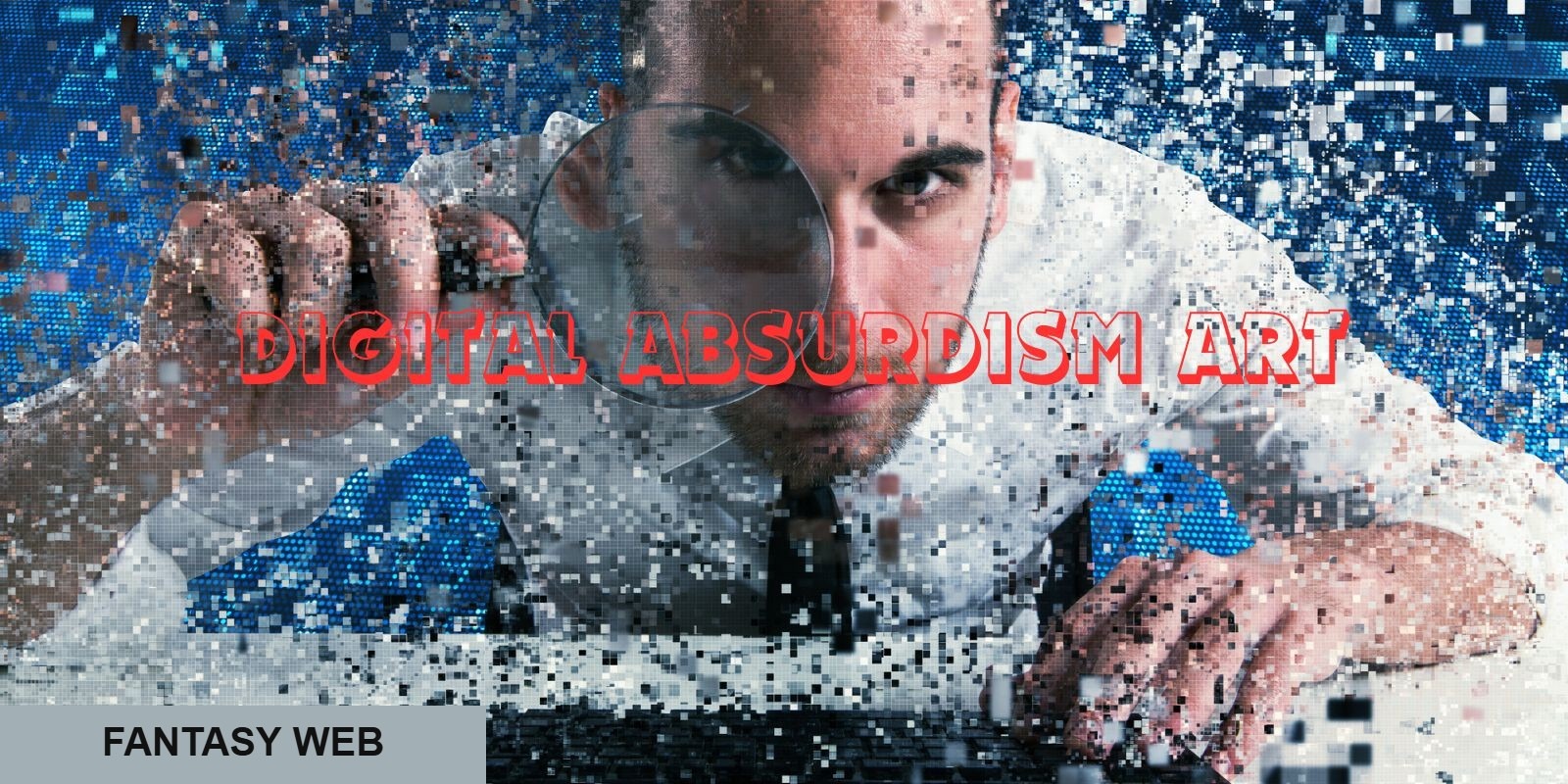
Digital absurdism art is a modern creative movement that uses technology to highlight the nonsensical, chaotic, and deeply ironic nature of contemporary life. Heavily inspired by early 20th-century Dadaism and surrealism, it thrives on internet culture, algorithmic glitches, and existential dread turned into dark humour.
In This Article
- Digital Absurdism Art: Why Strange Internet Aesthetics Are Shaping Modern Creativity
- How Digital Absurdism Art Turned Internet Chaos Into Visual Culture
- The Strange Logic Behind Images That Refuse To Make Sense
- Memes, AI Imagery, And The Rise Of Deliberate Digital Nonsense
- Why Digital Absurdism Art Reflects Modern Online Life So Well
- Creating Meaning Through Confusion, Humour, And Visual Disruption
- Unexpected Design And Creative Play In The Digital Age
- FAQs About Digital Absurdism Art
Digital Absurdism Art: Why Strange Internet Aesthetics Are Shaping Modern Creativity
Spend enough time online, and strange things start feeling completely ordinary. One moment you are looking at a realistic image of a cat driving a submarine through space; the next you are watching a looping animation that seems to make no sense but somehow captures exactly how the day feels. The internet has become a place where humour, confusion, creativity, and visual chaos regularly collide, giving rise to a distinctive artistic style known as digital absurdism art.
Far from being random nonsense, these unusual images often reflect the experience of living in a world overflowing with information, shifting trends, and constant digital stimulation. Digital absurdism art embraces contradictions, impossible scenarios, and unexpected visual combinations to create work that feels entertaining, thought-provoking, and surprisingly familiar.
How Digital Absurdism Art Turned Internet Chaos Into Visual Culture
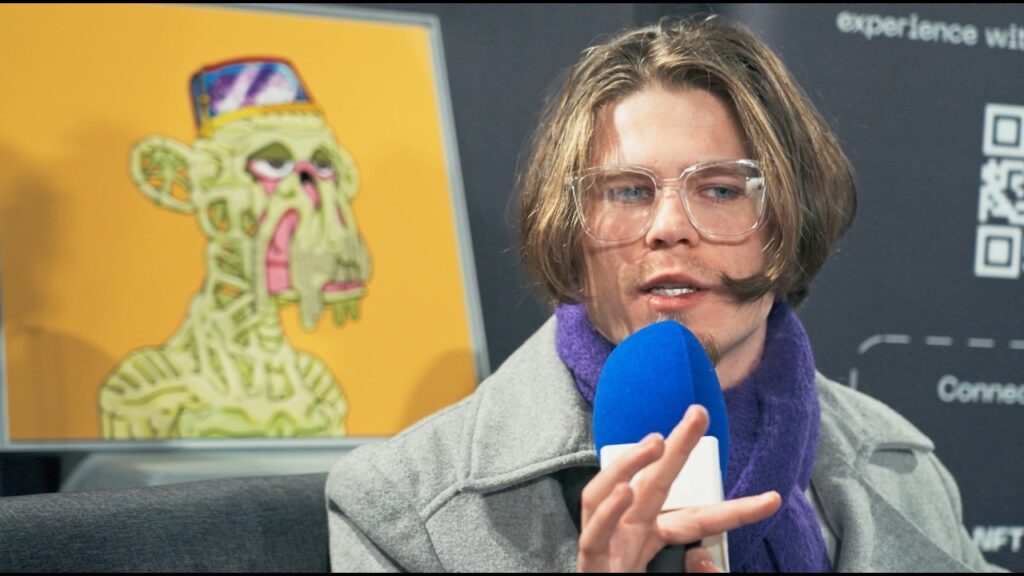
Digital absurdism art emerged from an online environment where creativity moves quickly, and conventional rules carry less authority. Artists began combining unrelated images, distorted characters, impossible scenarios, and unexpected humour to capture the unpredictable nature of internet culture. Instead of presenting a clear narrative, many works embrace confusion and contradiction as part of the viewing experience.
The popularity of memes helped accelerate this visual language. Internet users became comfortable interpreting strange references, layered jokes, and surreal combinations of images. Over time, artists expanded those techniques into more sophisticated creative projects that blended digital illustration, photography, animation, and experimental design.
The attraction of unpredictability appears across many creative fields. Similar ideas can be seen in seduction through absurdity, where surprise becomes part of the experience rather than a distraction from it. Digital absurdist artists use a comparable approach by rewarding curiosity and encouraging viewers to engage with the unexpected.
The Strange Logic Behind Images That Refuse To Make Sense
Many examples of digital absurdism art look confusing at first. An oversized animal walking through an office or a city built from household objects may seem completely unrealistic, yet these unusual images often grab attention because they break away from everyday expectations.
People naturally look for meaning in what they see. When an artwork presents something unexpected, the mind starts making connections and asking questions. That personal process of interpretation is one reason digital absurdism remains so engaging. Similar ideas appear in the psychology of erotic art, where individual experiences and emotions influence how imagery is understood.
I remember scrolling through digital art collections with my partner and finding ourselves drawn to the strangest images on the screen. The pieces that made the least sense often sparked the longest conversations, proving that curiosity can be just as powerful as clarity when it comes to visual art.
Memes, AI Imagery, And The Rise Of Deliberate Digital Nonsense
Digital absurdism art has grown alongside internet culture, where unusual images and unexpected humour spread quickly across social media. Memes played a major role in this shift by turning strange visual ideas into a shared language that millions of people instantly recognise. Many artists now borrow the same sense of unpredictability, creating works that feel playful, bizarre, and impossible to ignore.
AI image generators have accelerated this trend by making it easier to create scenes that could never exist in reality. A realistic elephant floating through a supermarket or a city made entirely of breakfast cereal can be produced in seconds, giving artists new tools for experimentation. These developments continue to fuel conversations about creativity, artistic intent, and visual culture, similar to the ideas discussed in art for art’s sake: does it still have an impact?.
| Format | Typical Example | Why It Feels Absurd | Audience Reaction |
|---|---|---|---|
| Memes | Random internet humour | Unexpected combinations and jokes | Sharing and engagement |
| AI Images | Impossible realistic scenes | Looks believable, but cannot exist | Curiosity and surprise |
| Digital Collages | Mixed photographs and objects | Contradictory visual elements | Interpretation and discussion |
| Animated Loops | Repeating surreal scenes | Creates visual tension | Extended viewing time |
| Glitch Art | Distorted digital imagery | Transforms errors into art | Interest and fascination |
Why Digital Absurdism Art Reflects Modern Online Life So Well
Modern digital life often feels fragmented. People jump between news, entertainment, social interaction, advertising, and personal communication within minutes. Digital absurdism art captures that sensation through visual compositions that feel chaotic, layered, and unpredictable.
Many artworks combine references from different eras, cultures, technologies, and media formats within a single image. This reflects the way information flows online, where boundaries between categories constantly blur. The result feels familiar because it mirrors everyday digital experiences.
As digital audiences become increasingly interested in unconventional visual expression, collectors and enthusiasts continue seeking distinctive forms of contemporary artwork. Similar trends can be observed within specialised collecting communities featured in erotic art collectors Australia, where unique artistic perspectives attract growing attention.
Creating Meaning Through Confusion, Humour, And Visual Disruption
One reason digital absurdism art continues to grow is its ability to communicate ideas without relying on traditional storytelling. Confusion becomes a creative tool rather than a problem to solve. Humour becomes a method of engagement rather than simple entertainment.
Artists working within this space frequently use exaggeration, visual contradictions, unexpected symbolism, and impossible scenarios to challenge assumptions. These techniques encourage viewers to pause, reconsider familiar ideas, and approach imagery from a different perspective.
Digital absurdism thrives because it reflects a world filled with contradictions. It embraces uncertainty, celebrates imagination, and transforms the strange rhythms of internet culture into a visual language that feels uniquely suited to the digital age.
Unexpected Design And Creative Play In The Digital Age
Digital absurdism art thrives on surprise, imagination, and unconventional combinations that challenge expectations. That same spirit of playful experimentation can be seen in the California Exotics Orgasmatron Digital G Teaser Rabbit Vibrator, which combines modern design, bold aesthetics, and innovative features into a visually distinctive product. Its futuristic appearance reflects how contemporary creators continue to find fresh ways to transform familiar objects into something more memorable and engaging.

FAQs About Digital Absurdism Art
How is Digital Absurdism Art different from surrealism?
Surrealism often focuses on dreams and the subconscious, while digital absurdism art frequently draws inspiration from internet culture, digital media, memes, and contemporary online experiences.
Why do absurd digital artworks become viral online?
Unexpected visuals capture attention quickly, encourage sharing, and create memorable reactions that stand out in crowded social media feeds.
Can AI-generated images be considered Digital Absurdism Art?
AI tools can produce absurdist imagery, though artistic intent, creative direction, and concept development still influence how the work is interpreted.
Why do confusing images attract so much attention?
Visual uncertainty encourages curiosity and prompts viewers to search for meaning, making the artwork more engaging and memorable.
How can artists create absurdist digital artwork without losing meaning?
Strong concepts, recurring themes, and purposeful visual choices help maintain direction while allowing experimentation and creative unpredictability.



Leave a Reply
You must be logged in to post a comment.