Quick Answer
Erotic art is any visual or expressive work designed to evoke sexual or romantic desire, affection, or arousal. It spans different media like painting, sculpture, and photography, focusing on sensuality, emotional passion, and beauty rather than only the mechanics of explicit acts.
In This Article
What Is Erotic Art? And The Emotional Power Of Sensual Imagery
Art has always explored the parts of human experience people feel most strongly, and intimacy sits close to the centre of that. Across photography, painting, sculpture, and illustration, artists have long used sensual imagery to capture attraction, tension, vulnerability, and affection. They also use it to express physical presence in ways words often cannot fully explain.
Some erotic artwork feels soft and romantic, while other pieces create intensity through silence, body language, shadow, or visual tension. The emotional reaction usually comes from atmosphere and presentation rather than explicit detail alone. That balance between sensuality, emotion, and artistic expression is what keeps erotic art relevant across different creative styles and generations.
What Is Erotic Art?
Erotic art is any visual or expressive work designed to evoke sexual or romantic desire, affection, or arousal. It spans different media like painting, sculpture, and photography, focusing on sensuality, emotional passion, and beauty rather than only the mechanics of explicit acts.
Erotic art sits in a space where emotion, attraction, and visual storytelling meet. Some pieces focus on the nude body through soft lighting and pose, while others build intimacy through suggestion, tension, or emotional closeness between subjects. The work can feel playful, romantic, raw, quiet, or deeply personal depending on the artist’s style and intent.
People often think erotic art only belongs in galleries or old paintings, but it appears everywhere from photography books and sketch work to fashion campaigns and modern digital illustration. Part of understanding “What is erotic art?” comes from noticing how atmosphere shapes emotional response. A glance, a shadow across skin, the distance between two figures, or the way light shapes a body can create a stronger emotional reaction than explicit detail alone.
What Makes Erotic Art Different From Pornography?
The difference between erotic art and pornography often comes down to intention, presentation, and emotional focus. Erotic art usually builds intimacy through atmosphere, body language, lighting, emotion, and visual storytelling, while pornography is more focused on direct sexual stimulation and explicit display. Many erotic artists leave parts of the scene open to interpretation, allowing viewers to connect through curiosity, tension, imagination, and emotional mood rather than graphic detail alone. Soft shadows, pose, framing, and expression often shape how sensual an image feels emotionally. Reactions are attached to the psychology behind erotic art attraction, also showing why some viewers respond more strongly to suggestion and emotional atmosphere than explicit imagery.
| Main Difference | Erotic Art | Pornography |
|---|---|---|
| Purpose | Focuses on emotion, intimacy, and artistic expression | Focuses on direct sexual stimulation |
| Visual Style | Uses mood, lighting, and symbolism | Uses explicit visual detail |
| Emotional Tone | Builds emotional tension and connection | Centres on physical acts and visibility |
| Viewer Experience | Encourages interpretation and imagination | Presents content directly and openly |
| Creative Approach | Often shaped by composition and storytelling | Often shaped by explicit presentation |
Why Do People Connect Emotionally With Erotic Art?
Erotic art often reflects emotions people already recognise in real life. Desire, tension, affection, vulnerability, curiosity, longing, and confidence can all appear through body language alone. Even small details like relaxed posture, indirect eye contact, or soft physical distance between subjects can create a feeling that seems personal to the viewer.
Many people connect with erotic imagery because it feels human rather than polished. Imperfect skin texture, natural movement, quiet expressions, and subtle emotion can make an image feel believable. Some artwork captures the awkwardness and closeness that exist in private moments, which is part of what gives the work emotional weight.
The connection between intimacy and visual creativity also appears in relationships. Shared photography projects, figure drawing, or sensual portrait work sometimes help couples communicate attraction in a more open and personal way. Many people become more comfortable expressing affection visually when creativity becomes part of the experience, especially through themes connected to art, which builds intimacy in relationships.
I remember seeing an old black-and-white erotic portrait years ago where almost nothing explicit was visible, yet the image stayed in my mind far longer than more graphic work ever did. The expression, lighting, and quiet tension between the subjects made it feel emotionally real instead of performative. That experience changed the way I looked at erotic art because I started paying more attention to emotion, atmosphere, and human connection than exposure alone.
Common Forms Of Erotic Art
Erotic art appears in many creative forms, including painting, photography, sculpture, illustration, and digital artwork. Some styles focus on romance, body language, and emotional atmosphere, while others use lighting, shadows, colour, and symbolism to create sensual tension. Small artistic details often shape how intimate or emotionally powerful an image feels, especially across styles connected to favourite erotic art.
1. Erotic Paintings:
Erotic paintings often focus on body form, softness, colour, emotion, and romantic symbolism. Many artists use brush texture, lighting, and pose to create emotional intimacy rather than direct realism.
2. Erotic Photography:
Erotic photography usually builds mood through lighting, framing, shadows, facial expression, and body language. Small visual details often shape how intimate or emotionally charged an image feels.
3. Erotic Sculpture:
Sculpture adds physical depth and texture to sensual artwork. Curves, posture, and movement become more noticeable because viewers can experience the work from different angles.
4. Erotic Illustration:
Erotic illustration gives artists more freedom to exaggerate emotion, fantasy, colour, and visual symbolism. Some styles appear detailed and realistic, while others rely on minimal line work and suggestion.
5. Digital Erotic Art:
Digital erotic art blends modern creative tools with sensual imagery. Artists often experiment with surreal effects, cinematic lighting, stylised anatomy, and layered textures to create a strong emotional atmosphere.
How Artists Create Intimacy Without Explicitness
A large part of erotic art depends on restraint. Artists often hide more than they show, using shadows, cropped framing, fabric, reflections, or partial body positioning to create tension. The viewer fills in the missing details mentally, which can make the image feel more personal and emotionally charged.
Lighting plays a major role in erotic art and helps answer the question, “What is erotic art?” from a visual perspective. Warm side lighting can soften skin texture and create depth around the body, while darker shadows build mystery and focus attention on small details like hands, posture, or facial expression. Eye contact also changes the emotional tone dramatically. A subject looking away can feel distant or vulnerable, while direct eye contact can create intensity and confrontation.
Some artists create intimacy through suggestion instead of explicit detail in erotic art. A messy room, half-open clothing, blurred movement, or traces of physical presence can quietly imply emotion and tension within a scene. Personal imagination often fills the gaps between those details, which is one reason why erotic art can feel emotionally immersive without relying on graphic imagery, especially in creative practices connected to erotic journaling.
Exploring Sensuality Beyond The Canvas
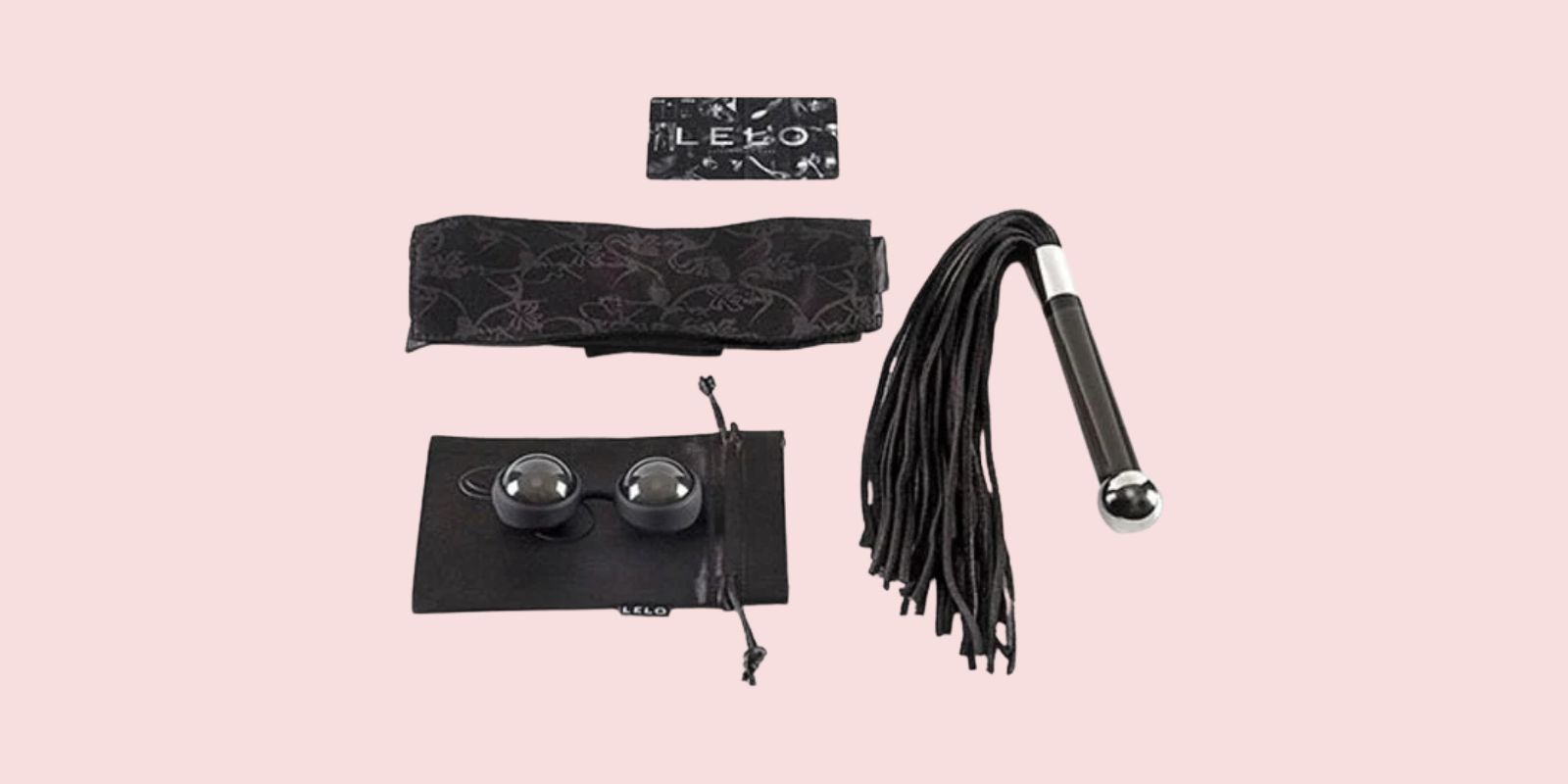
Erotic art often inspires people to explore intimacy through touch, atmosphere, emotion, and shared experience instead of visual imagery alone. Products like the Lelo Dare Me Pleasure erotic adult toys set connect naturally with those themes by focusing on sensual exploration, anticipation, and emotional closeness in a more personal setting.
FAQs About What Is Erotic Art?
Why do some erotic paintings feel emotional instead of sexual?
Many artists focus more on vulnerability, closeness, or atmosphere than on explicit physical detail. Facial expression, posture, lighting, and composition often create a reflective or intimate mood that feels emotional before it feels provocative.
Why can erotic photography feel uncomfortable in gallery spaces?
Viewers sometimes react differently when private themes appear in public settings. Erotic imagery can create self-awareness because it deals with attraction, nudity, and emotional exposure in a direct visual form that people are not always used to discussing openly.
How do artists stop erotic artwork from looking cheap or repetitive?
Strong erotic art usually relies on storytelling, mood, technical skill, and visual restraint instead of exaggerated shock value. Attention to composition, lighting, gesture, and emotional realism often gives the work more depth and originality.
Why do shadows and low lighting change the mood of erotic images?
Shadows hide detail and guide attention toward specific parts of the body or scene. Low lighting can create mystery, softness, or emotional tension, which changes how viewers interpret the image emotionally.
How can beginners study erotic art without copying common clichés?
Studying body language, classic portrait lighting, figure drawing, and emotional storytelling helps beginners develop stronger visual instincts. Looking at work across photography, painting, cinema, and sculpture also helps artists avoid repeating the same poses and predictable visual themes.