How Fantasy Worlds Create Immersion That’s Easy To Love And Trust
—
by
Frank Patterson
📅Posted: November 13, 2026
|
🔄Updated: November 13, 2026
|
⏱️Reading Time: 7.00 Min Read
Fantasy worlds create immersion by layering sensory details, consistent internal rules, emotional stakes, and character depth into every scene. The best fictional worlds feel lived-in because creators weave together geography, culture, language, and personal consequence so tightly that your brain stops distinguishing between reading and experiencing. Immersion happens when a world rewards your attention and makes you forget you ever had a choice to look away.
How Fantasy Worlds Create Immersion That Pulls You In and Refuses to Let Go
There’s a specific feeling every fantasy lover knows. You crack open a book, load a game, or scroll into a web comic, and suddenly two hours vanish. Your coffee goes cold. Someone calls your name three times before you hear it. That’s immersion, and fantasy worlds do it better than almost any other genre.
The reason is simple, but the execution is endlessly complex. Fantasy creators get to design everything from scratch. Gravity, politics, magic, romance, danger. Every brick in the world exists because someone chose to place it there. When those choices align with emotional truth and internal consistency, your brain treats the fictional space as a real environment. This article breaks down exactly how that happens and why certain fantasy worlds grab hold of you so completely.
☰
Navigate This Article
Table Of Contents For How Fantasy Worlds Create Immersion
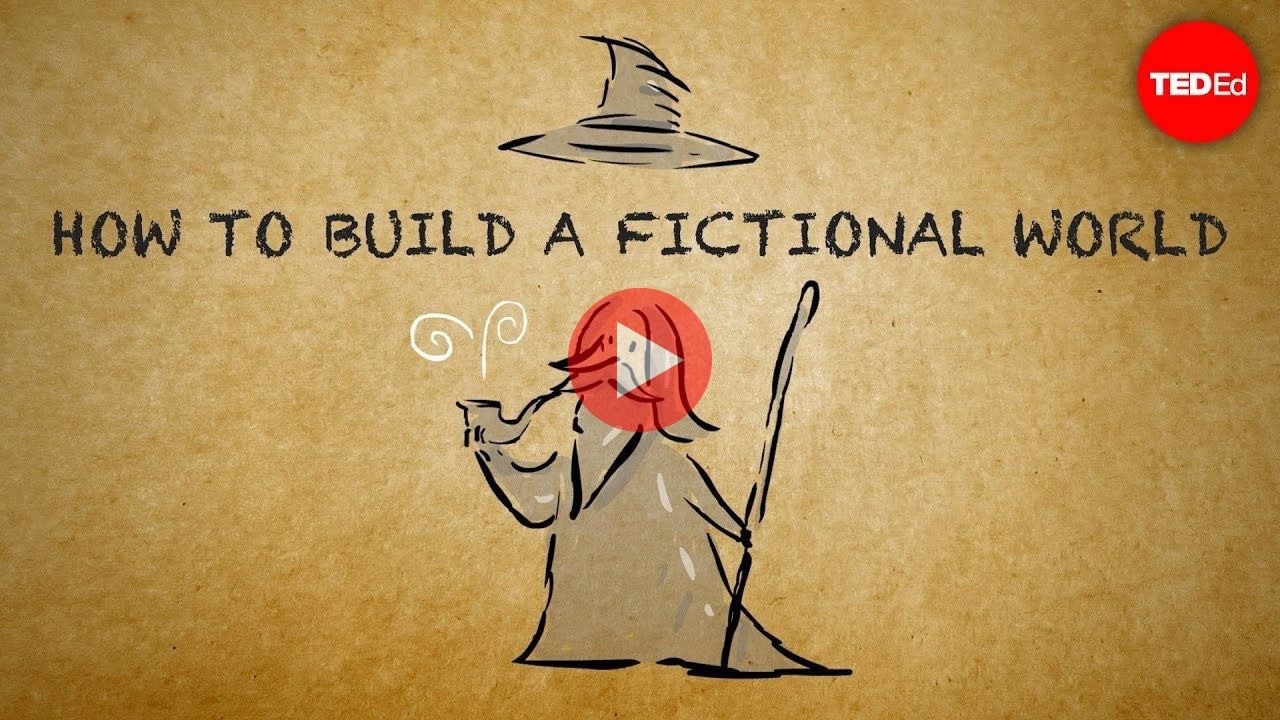
Watch How Fantasy Worlds Pull Readers Into The Story
This video explains the storytelling techniques that make fantasy settings feel believable and emotionally engaging. It complements this article by showing how world design, characters, and atmosphere work together to create lasting immersion.
Why Fantasy Worlds Hijack Your Attention So Effortlessly
Your brain doesn’t separate “real” experiences from vividly imagined ones as cleanly as you’d think. Neuroscience research shows that reading about a texture, a smell, or an action fires the same cortical regions that activate during the actual experience. Fantasy worlds exploit this overlap on purpose. A well crafted scene describing rain on cobblestones in some enchanted city triggers your sensory memory. You don’t just picture it. You feel it. That’s the first hook, and it sets before you even realize you’re caught.
The second hook is novelty. Human attention gravitates toward the unfamiliar. Familiar settings like a modern office or a suburban street demand less focus because your brain fills in the gaps with stored assumptions. A floating archipelago with bioluminescent forests? Your brain has no shortcut for that. It has to pay attention to every detail the creator provides, and that forced attention mimics the heightened awareness of being physically present somewhere new. Escapism and fantasy storytelling thrive on this exact mechanism. The strangeness demands engagement.
Then there’s the third hook, the one most people overlook. Fantasy worlds give you rules to learn. Magic systems, political hierarchies, creature taxonomies. Your brain treats these like survival information. It catalogues them, cross references them, and watches for violations. That constant low-level problem solving keeps you locked in. Think about it. Nobody gets immersed in a world that feels random. Immersion comes from a world that feels predictable enough to inhabit but surprising enough to explore.
Emotional Anchors Inside Fictional Spaces That Make Worlds Feel Lived In
Lore alone doesn’t create immersion. Maps, timelines, and encyclopedias are interesting, but they sit behind glass like museum exhibits. The moment a character you care about walks through that world, the glass shatters. Emotional investment is the engine that converts worldbuilding data into felt experience. You don’t remember the political structure of Westeros because you studied it. You remember it because people you loved and hated navigated it, suffered inside it, and sometimes died because of it.
My girlfriend and I replayed The Witcher 3 last winter, and she pointed out something I would never consciously noticed. Every tavern in that game has different music, different food on the tables, and different gossip from the NPCs. None of it affects gameplay. But it made her feel like each village had its own personality, its own Tuesday afternoon. That’s emotional texture, and it works because it mirrors how we experience real places. You don’t remember a city by its square footage. You remember the attachment you form to the characters and the small, weird, specific details that made it feel alive.
Great fantasy creators understand that emotional anchors need variety. Joy, grief, longing, humor, fear, tenderness. A world that only delivers one emotion becomes monotonous no matter how detailed it is. The most immersive fantasy spaces make you laugh in one scene and hold your breath in the next. They give characters private rituals, unspoken histories, and contradictions that feel messy and human. That messiness is the secret ingredient. Perfection is admirable. Imperfection is immersive.
Small Story Details Keep Imagination Fully Engaged
Fantasy worlds feel more immersive when they engage several senses instead of relying only on visual descriptions. Sounds, scents, textures, weather, and everyday routines make locations feel alive. Readers begin picturing themselves inside the story instead of simply watching it unfold. Creative activities like playing pretend work in a similar way by encouraging people to actively imagine the experience.
Strong worldbuilding also leaves room for curiosity. Writers hint at history, traditions, and hidden places without explaining every detail. Readers naturally fill those gaps with their own imagination, making the world feel more personal. Consistent rules keep that illusion intact and help every location feel believable from beginning to end.
Key Immersion Elements
◆
Blend visual, sound, scent, and texture to create vivid scenes.
◆
Leave small mysteries that encourage readers to imagine missing details.
◆
Keep world rules consistent so every scene feels natural.
◆
Use everyday customs and environments to make fictional places memorable.
Fantasy Relationships Make Fiction Feel More Personal
Emotional attraction and romantic relationships help fantasy worlds feel more engaging because readers become invested in the people living there. Moments of affection, trust, and anticipation add emotional depth that makes important scenes more memorable. Interactive experiences, including virtual erotic experiences, also use emotional connection to help participants feel more involved in imaginative settings.
My wife once mentioned that a fantasy series became far more memorable after the main characters developed a meaningful relationship. She cared more about every decision because the emotional stakes had grown alongside the story. Strong relationships give readers another reason to stay connected beyond magic, action, or adventure.
How Relationships Strengthen Fantasy Immersion
Story Element
Reader Experience
Why It Works
Shared Goals
Readers become invested in characters working toward the same outcome.
Personal disagreements make relationships feel believable.
Adds emotional depth without constant battles.
Growing Trust
Readers enjoy watching friendships and romance develop naturally.
Builds stronger connections with the characters.
Personal Stakes
Important events feel more emotional and memorable.
Readers care about the outcome of every major decision.
Emotional Growth
Characters change through their experiences and relationships.
Keeps the fantasy world engaging from beginning to end.
Applying These Immersion Techniques to Your Own Creative or Personal Life
Understanding how fantasy worlds create immersion gives you tools for everything beyond the page or screen. Stack sensory details instead of explaining ideas. Create emotional stakes before dropping information. These same tricks work in content creation, date nights, and personal storytelling. Immersion is a craft you can borrow and apply anywhere. My girlfriend and I started treating our Friday evenings like mini worldbuilding projects. New music, different lighting, a meal neither of us had tried before. Small shifts in routine create the same novelty effect that hooks you into a fantasy setting.
Immersion is never accidental. Every fantasy world that held your attention did so through deliberate, layered choices. Sensory richness, emotional stakes, internal consistency, and just enough mystery to keep your brain co-creating. Once you recognize those mechanics, you can use them in your writing, your relationships, and the experiences you design for people you care about. Someone built those magnetic worlds with intention. That same intention can reshape how you show up in your own life.
Bring Fantasy Worlds To Life With Creature Cocks Demon Claw
If imaginative fantasy settings inspire your sense of adventure, Creature Cocks Demon Claw by XR Brands offers a collectible fantasy themed design that reflects the same creative spirit explored throughout this article. Its bold creature inspired appearance makes it a fitting choice for readers who enjoy bringing fantasy concepts beyond the page and into their personal collection.
Shop Now! Creature Cocks Demon Claw by XR Brands
FAQs About How Fantasy Worlds Create Immersion
Why do some fantasy worlds feel more believable than real places?
Consistent rules, memorable characters, and meaningful emotions encourage readers to picture every scene clearly. That combination creates a strong emotional connection.
Can immersive fantasy improve creativity?
Exploring imaginative settings often inspires fresh ideas for writing, art, and problem solving. Creative thinking grows through exposure to different possibilities.
Why do I keep thinking about a fantasy story after finishing it?
Stories with emotional characters and memorable settings often stay active in your imagination. Readers continue reflecting on important moments and relationships.
How can I become more immersed while reading fantasy?
Choose character driven stories, read without distractions, and imagine each location carefully. Slowing your pace often strengthens the experience.
How do I enjoy immersive fantasy without neglecting everyday life?
Balance reading with hobbies, work, and relationships. Treat fantasy as inspiration that adds enjoyment instead of replacing everyday experiences.
Frank Patterson
Frank Patterson is the owner of Fantasy Web. He writes about online fantasy culture, web comics, digital storytelling, virtual worlds, creator tools, and the communities that form around them.
To provide the best experiences, we use technologies like cookies to store and/or access device information. Consenting to these technologies will allow us to process data such as browsing behavior or unique IDs on this site. Not consenting or withdrawing consent, may adversely affect certain features and functions.
Functional
Always active
The technical storage or access is strictly necessary for the legitimate purpose of enabling the use of a specific service explicitly requested by the subscriber or user, or for the sole purpose of carrying out the transmission of a communication over an electronic communications network.
Preferences
The technical storage or access is necessary for the legitimate purpose of storing preferences that are not requested by the subscriber or user.
Statistics
The technical storage or access that is used exclusively for statistical purposes.The technical storage or access that is used exclusively for anonymous statistical purposes. Without a subpoena, voluntary compliance on the part of your Internet Service Provider, or additional records from a third party, information stored or retrieved for this purpose alone cannot usually be used to identify you.
Marketing
The technical storage or access is required to create user profiles to send advertising, or to track the user on a website or across several websites for similar marketing purposes.