In A Nutshell
Surreal art is an influential cultural movement that emerged in the 1920s. It seeks to bypass rational thought and express the unconscious mind, typically through illogical, dreamlike imagery and unexpected juxtapositions.
In This Article
- Surreal Art In Australia: Dreamlike Landscapes, Imagination, And Creative Expression
- How Surrealism Found Its Place In Australian Creative Culture
- Australian Landscapes Through A Surrealist Lens
- Artists, Galleries, And The Evolution Of Surreal Art In Australia
- Why Contemporary Australian Artists Still Embrace Surrealism
- The Lasting Influence Of Surreal Art Across Australian Culture
- Imagination, Presence, And Personal Expression
- FAQs About Surreal Art In Australia
Surreal Art In Australia: Dreamlike Landscapes, Imagination, And Creative Expression
Some artworks stay with you long after you’ve left the gallery. Not because you fully understood them, but because something about them felt strangely familiar. A figure standing where it shouldn’t be. A landscape that looks real yet somehow impossible. An image that lingers in your mind for days without a clear explanation.
That’s what draws me to surreal art, particularly surreal art in Australia. The Australian landscape already carries a sense of mystery. Endless roads, isolated towns, vast deserts, and dramatic coastlines can feel almost dreamlike before an artist adds their own imagination to the scene. Over the years, I’ve noticed that many Australian surrealists use that unique atmosphere to create work that feels both deeply personal and unmistakably Australian.
How Surrealism Found Its Place In Australian Creative Culture
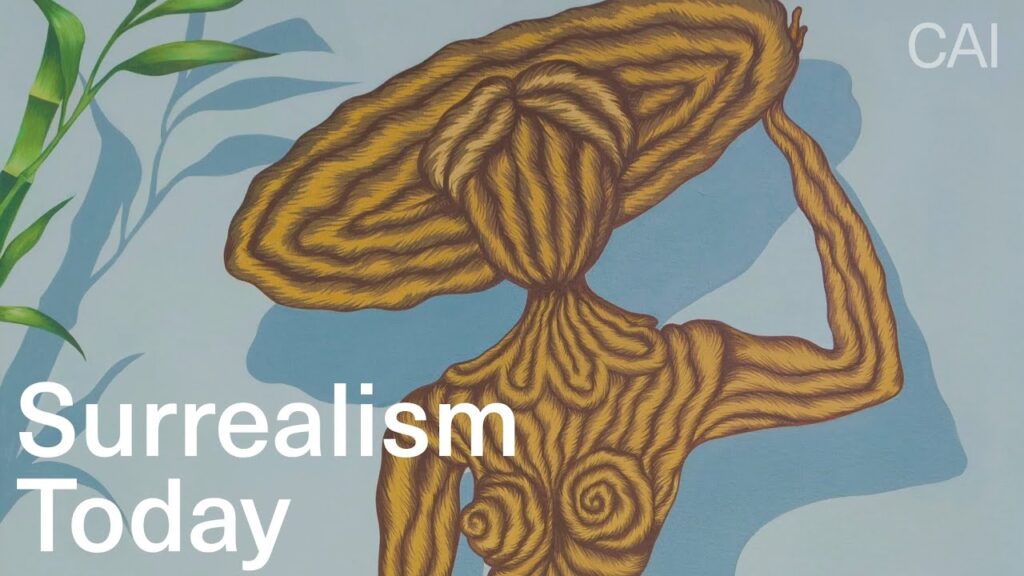
Surrealism reached Australia through literature, European modernism, exhibitions, travel, and the restless curiosity of artists who wanted to move beyond realism. Instead of copying European surrealism directly, Australian artists began shaping it through local concerns. The result was not only dream imagery, but a deeper way of looking at isolation, memory, landscape, desire, and social tension.
Australian surrealism often feels less theatrical than its European origins and more atmospheric. A quiet room, an empty road, a distorted figure, or a burning horizon can carry emotional pressure without needing dramatic explanation. This makes the work feel psychologically charged, as though ordinary life has slipped slightly out of alignment.
That tension between the ordinary and the forbidden also connects with broader cultural storytelling, especially where art touches hidden emotion and social boundaries. In that sense, surrealism shares a quiet relationship with taboo love connection, because both explore feelings that are often present but rarely spoken about directly.
Australian Landscapes Through A Surrealist Lens
The Australian landscape gives surreal art a striking visual foundation. Deserts, coastlines, bushland, empty roads, and harsh sunlight already carry a sense of mystery. When artists distort these spaces, add symbolic objects, or place unusual figures within them, the landscape becomes more than scenery. It becomes emotional terrain.
In surreal art in Australia, the outback can feel like a dream state, a memory, or a place where identity is tested. A vast sky may suggest freedom, but it can also suggest exposure. A dry plain may seem peaceful, yet it may carry loneliness, silence, or unease. This layered reading is what gives Australian surrealism its depth.
The body and mind also appear in this visual language. Some works use fragmented forms, sensual shapes, mirrors, masks, or dreamlike interiors to explore private emotion. This is where Australian surrealism can sit close to erotic minds and art, where imagination, desire, and visual symbolism meet without needing to become literal.
Expert Tip: When viewing surreal art, pay attention to the emotions a scene creates before trying to interpret its meaning, as many surrealist works are designed to be felt before they are understood.
Artists, Galleries, And The Evolution Of Surreal Art In Australia
Surreal art in Australia continues to evolve through artists who use imagination, symbolism, and unexpected imagery to challenge the way people see the world. Painters, photographers, sculptors, and digital creators often blend reality with fantasy, producing works that encourage viewers to look beyond the obvious and consider deeper emotional or cultural meanings.
Across Australia, galleries and contemporary exhibitions regularly showcase surrealist influences through thought-provoking artworks and immersive visual experiences. This fascination with perception and human experience extends beyond traditional art forms into literature, film, design, and even discussions about personal sensation and interpretation, such as conversations around what anal feels like, where individual experiences can vary widely depending on perspective and context.
- Blends reality with imagination.
- Appears across many artistic mediums.
- Encourages personal interpretation.
- Remains popular in modern galleries.
- Continues to influence contemporary artists.
Why Contemporary Australian Artists Still Embrace Surrealism
Contemporary Australian artists continue using surrealism because it gives them room to speak about complex subjects without flattening them. Climate anxiety, digital life, personal identity, erotic imagination, cultural memory, and emotional uncertainty can all be approached through surreal imagery. The style allows artists to show contradiction rather than tidy it away.
Digital tools have also expanded surreal expression. Artists can now combine photography, painting, collage, animation, artificial spaces, and cinematic editing to create images that feel polished and uncanny at the same time. The result is a modern surrealism that suits online culture, visual storytelling, and audiences drawn to layered symbolism.
Fantasy remains central to this creative energy. It allows the mind to move past the expected and build new visual worlds from private longing, curiosity, and play. That same imaginative impulse can be seen across sensual culture, too, including the way fantasy sex toys turn desire into designed objects shaped by mood, roleplay, and personal imagination.
The Lasting Influence Of Surreal Art Across Australian Culture
The influence of surreal art in Australia now moves beyond galleries. It appears in fashion photography, album covers, editorial shoots, theatre design, film, advertising, tattoo art, digital illustration, and visual branding. Its appeal comes from the way it makes people stop and look twice.
Surrealism gives Australian culture a language for feelings that are difficult to explain plainly. Surrealism can make loneliness visible and transform desire into atmosphere. A familiar landscape may suddenly feel alive, watchful, or emotionally charged, revealing layers of meaning that ordinary realism often leaves untouched. Most importantly, it allows artists and viewers to meet somewhere between reality and imagination.
That is why surrealism continues to feel relevant. It does not belong only to the past or to museum walls. It keeps changing with the culture around it, offering Australian artists a powerful way to express beauty, discomfort, memory, and wonder in the same frame.
Imagination, Presence, And Personal Expression
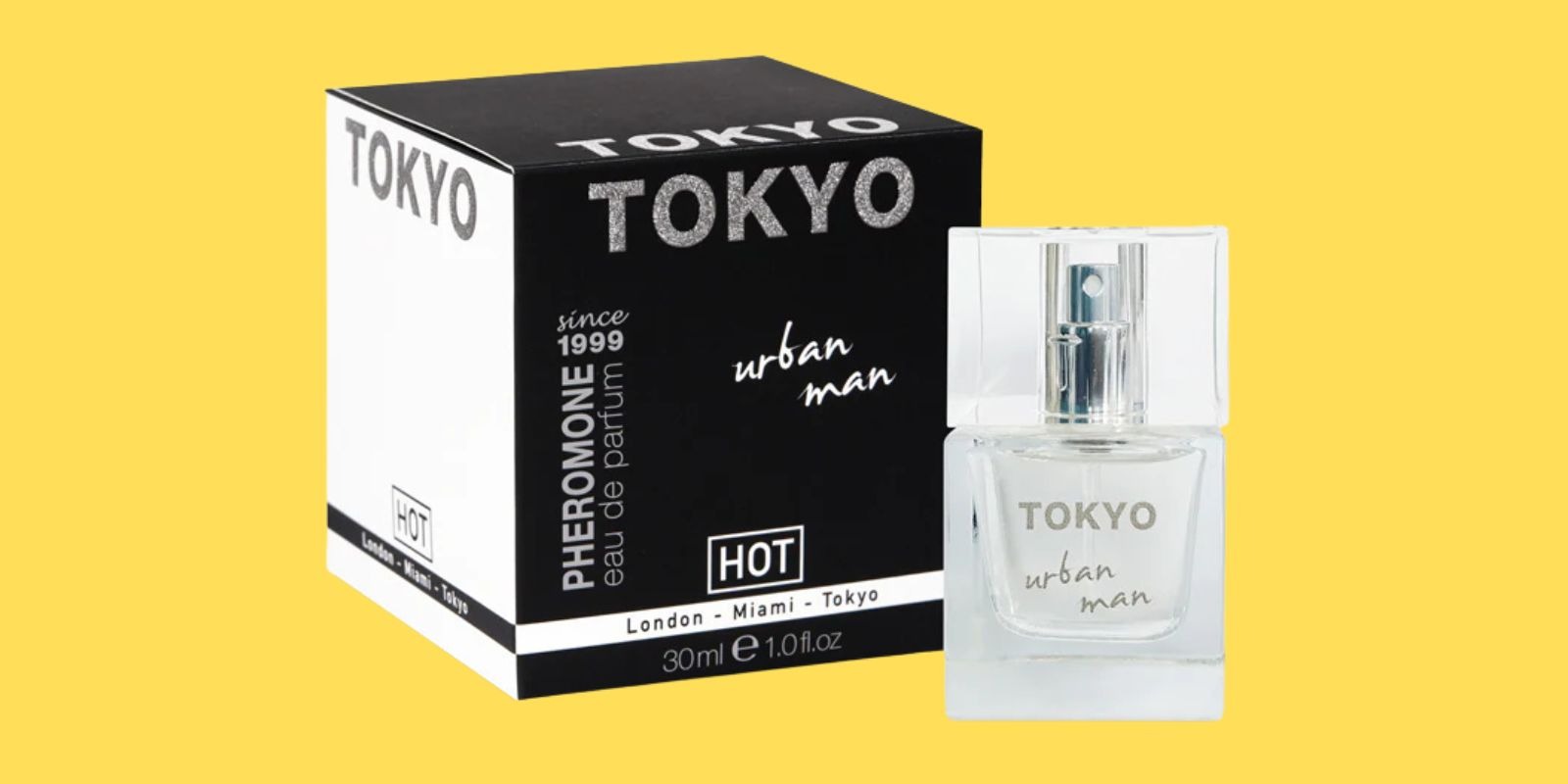
Much like surreal art transforms ordinary experiences into something more intriguing and memorable, personal style can also shape how people present themselves to the world. Products such as the Hot Production Hot Pheromone Tokyo Urban Man Sex Pheromone Cologne for Men are designed around confidence, individuality, and self-expression, making them a fitting complement to a discussion about imagination, perception, and the subtle ways people influence the impressions they leave behind.
FAQs About Surreal Art In Australia
Why is surreal art popular in Australia?
Its dreamlike style suits Australia’s vast landscapes, emotional contrasts, and strong visual storytelling traditions.
Which themes appear often in Australian surreal artwork?
Common themes include isolation, identity, memory, desire, nature, cultural tension, and the strange mood of familiar places.
Where can people view surreal art in Australia?
Surrealist influence appears in major galleries, contemporary exhibitions, private collections, art fairs, and independent creative spaces.
How is Australian surrealism different from European surrealism?
Australian surrealism often feels more connected to landscape, distance, light, silence, and psychological atmosphere.
Why do modern artists still use surrealist techniques?
Surrealism helps artists express layered emotions, social ideas, fantasy, and personal experience without relying on direct realism.



Leave a Reply
You must be logged in to post a comment.