
At A Glance
The evolution of sensual art reflects how different cultures have viewed intimacy, beauty, desire, and the human body across history. From carved fertility figures and Renaissance paintings to shadow-heavy photography, sensual imagery gradually shifted from symbolism and ritual toward emotional realism, personal connection, and visual atmosphere.
In This Article
- Evolution of Sensual Art: How Intimate Imagery Changed Across Time
- How Ancient Civilisations Used Sensual Art
- Why Renaissance Artists Changed Intimate Imagery
- How Photography Reshaped Sensual Expression
- How the Evolution of Sensual Art Progressed Step By Step
- Modern Sensual Style Inspired by Intimate Art
- FAQs About The Evolution of Sensual Art
Evolution of Sensual Art: How Intimate Imagery Changed Across Time
Sensual art has changed constantly across centuries because artists keep finding new ways to show closeness, attraction, vulnerability, and physical presence. Some periods focused on symbolic bodies connected to fertility or mythology, while others became more interested in emotional realism, lighting, posture, and private human moments.
What people respond to in sensual artwork has also shifted over time. Ancient sculptures often celebrated strength and divine beauty, while modern photography tends to focus more on mood, tension, softness, and emotional intimacy. Those differences reveal how visual culture changes alongside society itself.

How Ancient Civilisations Used Sensual Art
Ancient cultures often used sensual imagery as part of religion, mythology, fertility rituals, and storytelling rather than private entertainment. Sculptures, wall carvings, pottery, and painted figures frequently showed nude bodies because physical form represented fertility, strength, creation, beauty, and spiritual importance.
In Ancient Greece, artists focused heavily on balance, proportion, and ideal human anatomy. Many sculptures displayed relaxed nudity because the body symbolised discipline and perfection rather than embarrassment. Roman artwork later pushed sensuality further through murals and household decoration that openly included intimate scenes inside private villas and bathhouses.
Indian temple carvings approached sensual art differently by combining intimacy with spiritual symbolism. Many stone figures showed movement, connection, touch, and physical closeness as part of broader ideas surrounding life and human experience. Several themes found throughout the history of erotic art can still be traced back to these early visual traditions.
Even with different cultural meanings, many ancient artists paid close attention to body posture, muscle tension, curved lines, and physical interaction. Those visual choices still influence modern sensual photography and figure drawing today.
Why Renaissance Artists Changed Intimate Imagery
Renaissance artists changed sensual art by making the human body feel more emotional and realistic instead of purely symbolic. They studied anatomy, facial expression, posture, and lighting closely, which helped intimate scenes feel warmer and more personal. Oil painting techniques also allowed artists to create softer skin tones, deeper shadows, and natural-looking light that gave paintings more atmosphere and depth.
Artists such as Titian and Botticelli often mixed sensuality with mythology and romance, creating artwork that focused on attraction, eye contact, softness, and emotional connection. Many ideas still connected to modern conversations about how erotic art can increase libido can be traced back to this period because Renaissance painters made intimacy feel visually human instead of distant or ceremonial.
When I first started paying attention to Renaissance paintings, I noticed how much emotion lived inside small details like hand placement, lighting, or the direction of someone’s gaze. That completely changed the way I looked at intimate imagery. Instead of focusing only on nudity, I started noticing tension, comfort, closeness, and the quiet emotional connection happening inside the frame.
How Photography Reshaped Sensual Expression
Photography changed sensual art by making intimacy feel immediate and personal. Paintings often idealised the body through imagination and stylised technique, but photography captured natural skin texture, imperfect posture, facial expression, and spontaneous movement in ways that felt emotionally direct.
Black-and-white photography became especially important because shadows and contrast created mood without relying on explicit detail. Many photographers discovered that soft lighting, silhouettes, grain, and partial framing could create stronger emotional tension than fully revealing images. Those techniques still shape modern sensual portrait photography today.
Lighting also became one of the most powerful tools in sensual visual work. Window light, candlelight, reflective surfaces, and directional shadows helped photographers guide attention toward skin texture, body shape, or emotional expression without overcrowding the image. Similar ideas around touch, relaxation, atmosphere, and body awareness also appear in discussions surrounding sensual massage benefits.
Modern sensual photography often focuses less on perfection and more on emotional honesty. Natural poses, eye contact, body language, and subtle movement now play a larger role than dramatic studio styling. Many viewers respond more strongly to images that feel personal and emotionally believable rather than highly staged.
How the Evolution of Sensual Art Progressed Step By Step
The evolution of sensual art moved gradually across different eras as artists changed how they represented intimacy, beauty, emotion, and the human body. Early civilisations focused more on fertility symbolism and mythology, while Renaissance artists introduced emotional realism through anatomy and lighting. Photography later added natural expression, realism, and mood, leading modern sensual art toward softer emotional storytelling, natural body language, and intimate visual atmosphere.
- Ancient art focused on fertility, ritual, and symbolic body imagery.
- Greek and Roman artists emphasised anatomy, balance, and physical beauty.
- Renaissance painters introduced emotional realism and softer lighting.
- Photography brought natural posture, realism, and emotional immediacy.
- Modern sensual art focuses more on mood, intimacy, and authentic connection.
Modern Sensual Style Inspired by Intimate Art
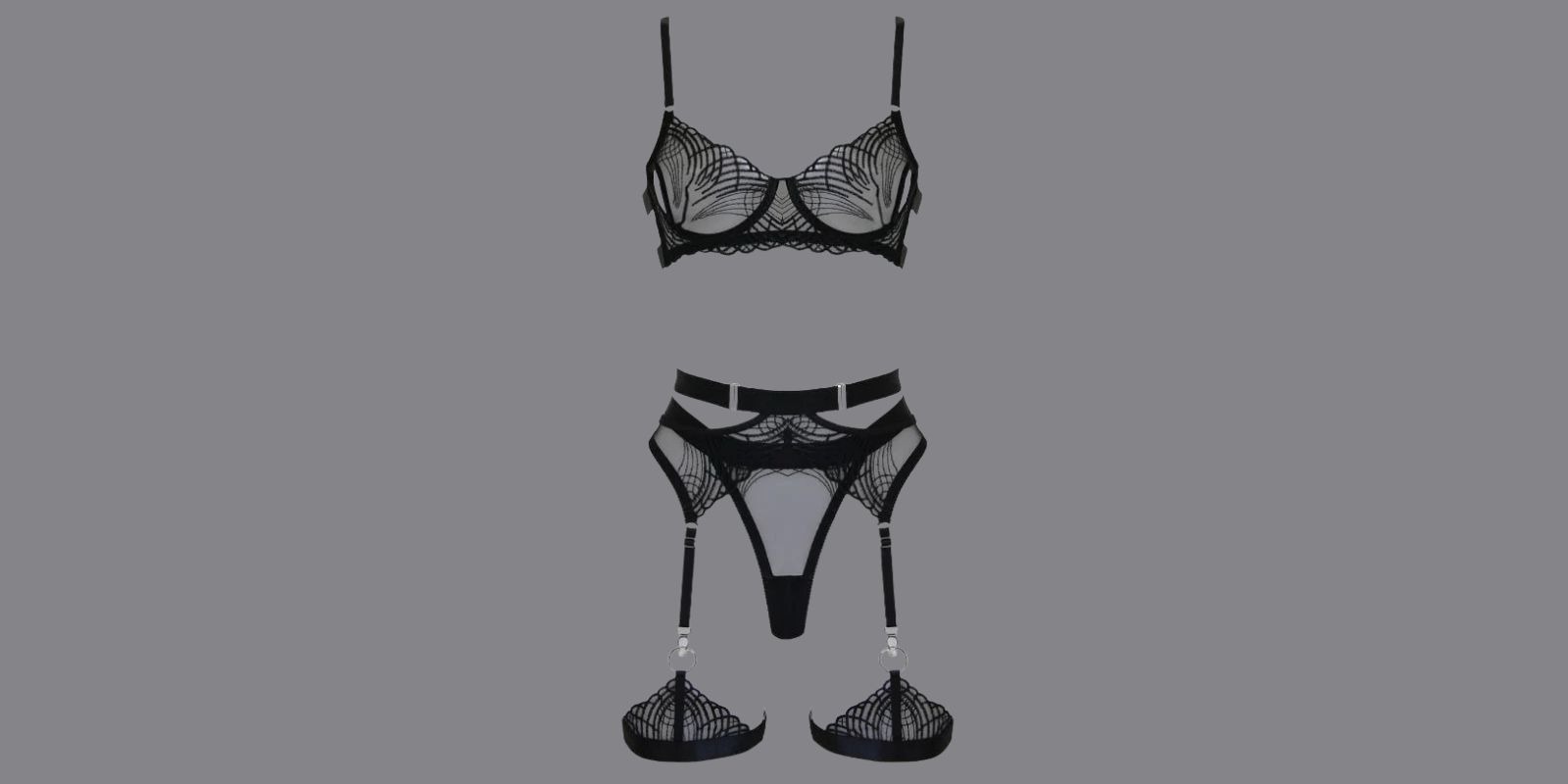
The evolution of sensual art continues to influence modern intimacy, fashion, and body-focused aesthetics today. Pieces like the Muse 5-Piece Womens Bondage Lingerie Set Black reflect the same visual themes seen throughout sensual photography and intimate portrait art, including contrast, confidence, silhouette, texture, and emotional atmosphere.
FAQs About The Evolution of Sensual Art
Why do older sensual paintings feel softer than modern photography?
Paintings usually blend shadows, brush texture, and warm tones together more gradually, creating a slower and more romantic visual atmosphere.
How did lighting change sensual artwork over time?
Artists and photographers began using directional light, candlelight, and shadows to shape mood, depth, and emotional focus inside intimate scenes.
Why do many modern sensual artists avoid overly explicit imagery?
Subtle expression, posture, and emotional tension often create a stronger viewer connection than a highly graphic presentation.
What made black-and-white sensual photography popular?
Strong contrast and shadow helped photographers emphasise emotion, body shape, and atmosphere without distracting colour details.
Why do natural poses create a stronger emotional connection in art?
Relaxed movement and believable posture tend to feel more human, making viewers focus more on emotion and presence.